


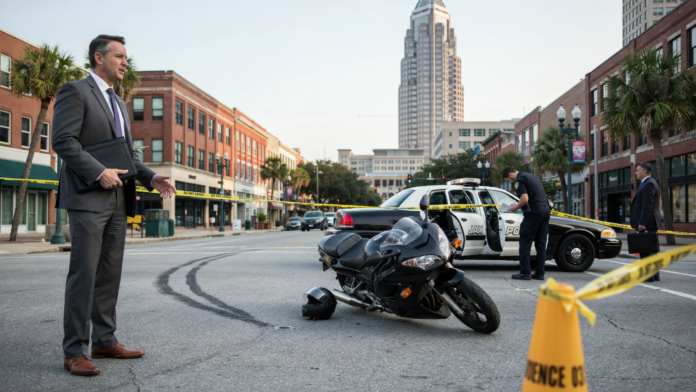
Serious motorcycle injuries can create lasting medical, rehabilitation, equipment, home-care, and transportation expenses, while missed work may reduce income and savings. Depending on liability, insurance coverage, and state law, victims may seek compensation for documented costs, lost earnings, future care, property damage, pain, and disability. Medical and employment records, receipts, provider assessments, and preserved crash evidence can help support a claim.
For guidance, contact the Law Offices of Anidjar and Levine or speak with a Jacksonville Motorcycle Accident Lawyer. The sections below explain essential costs, evidence, and next steps.
Main Takeaways
- Serious motorcycle injuries can create lasting costs for treatment, rehabilitation, medication, equipment, home modifications, and personal care.
- Lost work, reduced hours, and interrupted self-employment can strain savings, retirement contributions, and household finances.
- Potential compensation may include medical expenses, lost income, future care, property damage, pain, and disability, depending on the circumstances.
- Preserve itemized bills, receipts, medical records, work and income records, caregiving logs, and repair estimates to document losses.
- Provider assessments and life-care plans can support future-cost estimates; liability may involve negligent drivers, manufacturers, or roadway authorities.
How Can a Motorcycle Injury Affect Your Finances?
A motorcycle injury can strain a person’s finances well beyond the initial emergency-room bill. Even when insurance covers part of the treatment, deductibles, copayments, prescriptions, and transportation to appointments can add up quickly. At the same time, missed work may reduce income or eliminate overtime, while a self-employed person may lose earnings without paid leave. These pressures can strain household budgets, forcing families to postpone routine expenses, rely on savings, or borrow to cover essentials.
Unpaid bills and new debt may also damage your credit score, making future borrowing more difficult or expensive. A practical first step is to keep records of medical charges, wage losses, insurance communications, and related out-of-pocket costs. A clear budget can help identify urgent obligations and available support, such as employer benefits or community assistance. Review bills promptly and ask providers about payment plans to reduce avoidable fees. Careful documentation can also show the financial consequences of pursuing compensation.
Which Injuries Can Create Long-Term Costs?
Some motorcycle injuries can require care and support for years, creating costs well beyond initial treatment. Traumatic brain injuries may lead to ongoing rehabilitation, cognitive care, or help with daily activities. Spinal cord damage can bring substantial expenses for mobility equipment, home modifications, and long-term assistance.
Traumatic Brain Injuries
Traumatic brain injuries from motorcycle crashes can create costs that persist long after emergency treatment ends. Even when a rider survives the initial impact, damage may affect memory, concentration, judgment, or communication. Cognitive impairment can make returning to work difficult, while personality changes may strain family relationships and increase the need for counseling or daily support.
Long-term expenses can include neurological care, rehabilitation, medication, assistive services, and modifications that help a person manage everyday tasks. Some needs emerge gradually, so follow-up evaluations and careful records are important. Families often coordinate appointments and provide unpaid care, adding practical and financial pressure.
A thorough assessment of future needs can help establish the injury’s full impact. When pursuing compensation, documentation from medical providers, employment records, and caregiving logs may support claims for ongoing treatment, lost income, and related costs.
Spinal Cord Damage
Spinal cord damage from a motorcycle crash can lead to lasting changes in movement, sensation, and independence. The level and completeness of the injury shape the spinal cord injury prognosis, but recovery needs and costs can remain uncertain for years. Compassionate planning helps injured people and their families protect dignity while addressing practical needs.
Long-term expenses may include:
- Rehabilitation, follow-up care, medications, and treatment for complications such as pressure sores or infections.
- Wheelchairs, transfer equipment, home modifications, and accessible transportation to support daily routines.
- Personal assistance, lost income, and paralysis related lifestyle changes, including adapting work and community participation.
Care plans should account for future needs, not only immediate bills. Medical records, expert assessments, and documented expenses can help establish the injury’s impact when seeking compensation. Each person’s circumstances differ, so qualified medical and legal guidance can support informed decisions.
What Medical and Care Costs May Continue?
After a motorcycle injury, medical expenses may continue long after initial treatment, including follow-up care, medication, or additional procedures. Rehabilitation and therapy can support recovery but may require sustained time and expense. Severe injuries may also create long-term care needs, such as in-home assistance or expert support.
Ongoing Medical Treatment
When motorcycle injuries require more than emergency care, treatment costs may continue for months or years. Families supporting an injured person may need to plan for recurring appointments, prescriptions, and supplies while protecting access to appropriate care. Common ongoing expenses include:
- Medication management, including prescription refills, monitoring, and adjustments when treatment needs change.
- Consultant consultations with neurologists, orthopedic surgeons, pain consultants, or other clinicians who assess lasting complications.
- Follow-up imaging, diagnostic tests, wound care, and medically necessary equipment or home-care supplies.
Costs can vary with injury severity, insurance coverage, and recovery progress. Keeping itemized bills, pharmacy receipts, care records, and provider recommendations helps clarify the financial burden and supports a compensation claim. A careful treatment-cost estimate should reflect reasonably anticipated medical needs, not only expenses already paid. Legal and medical professionals can help document future care needs without delaying necessary treatment or adding strain on caregivers.
Rehabilitation and Therapy
Rehabilitation may continue long after emergency treatment ends, with costs shaped by the injuries and the person’s progress. Physical therapy can help rebuild strength, balance, and mobility, while occupational therapy may address daily tasks and safe use of the injured limb. Some people also need speech therapy, cognitive rehabilitation, or treatment for trauma-related symptoms. Expenses may include recurring appointments, expert assessments, prescribed exercises, and adaptive equipment used during sessions. Travel to clinics, missed work for appointments, and co-payments can add to the burden. Treatment frequency may change as recovery advances, so a written plan from clinicians can help estimate likely costs. Keeping invoices, referral notes, and progress records supports informed decisions and compensation claims. These services can protect independence and help injured people participate more fully in family and community life.
Long-Term Care Needs
Some motorcycle injuries require ongoing care long after initial treatment and therapy end. Families may face recurring medical expenses while helping an injured person preserve comfort, independence, and dignity. A realistic long-term plan can include:
- Medical follow-up: Expert visits, prescriptions, assistive devices, and treatment for complications may continue for years.
- Daily support: Personal care, nursing, transportation, and respite services can create substantial recurring costs. Caregiver coordination helps relatives and professionals provide consistent, safe assistance.
- Accessible living: Home accessibility changes, such as ramps, widened doorways, or adapted bathrooms, may be necessary, alongside equipment maintenance and replacement.
Care needs can change over time, so assessments and cost estimates should be updated regularly. Families can keep invoices, care schedules, and medical recommendations to document expenses. These records may help establish future losses when seeking compensation for the injury’s lasting effects.
What Motorcycle Injury Losses Can You Claim?
After a motorcycle crash, the losses a rider can claim may extend beyond medical bills to include lost income, future care, property damage, and the effects of pain or disability. Compensation may cover emergency treatment, rehabilitation, medication, assistive devices, and reasonable costs of care expected to continue. A claim may also include repair or replacement of the motorcycle, helmet, clothing, and other damaged belongings. Receipts, repair estimates, and photographs can help document these losses.
Some injuries make routine tasks difficult, creating a need for paid help with cooking, cleaning, transportation, or personal care. These household expenses may be recoverable when they are reasonable and connected to the crash. A rider may also seek damages for physical pain, emotional distress, reduced mobility, or loss of enjoyment of daily activities. The available categories depend on the facts, evidence, and applicable law. Keeping organized records and following medical advice can help clarify the full impact and support a fair evaluation of the claim.
How Can Lost Income Affect Your Future?
When a motorcycle injury keeps a rider from working, lost income can affect far more than the next paycheck. A prolonged absence may disrupt household responsibilities, limit support for loved ones, and make returning to a stable career more difficult. The effects can continue even after physical recovery.
- Career advancement: Missed projects, training, or promotions can slow professional growth and reduce future earning opportunities.
- Retirement savings: Smaller paychecks or time away from work may interrupt contributions, leaving less time for savings to grow.
- Financial stability: Reduced income can force a household to use emergency funds, borrow money, or delay important goals.
These consequences merit careful attention when evaluating the full impact of an injury. A rider may document missed work, reduced hours, and changes in employment prospects, while keeping pay records and employer communications. Legal guidance can help determine whether recoverable lost earnings include income already missed and reasonably supported future losses. A clear record can help protect the rider’s interests and the family members who depend on that income.
How Can You Estimate Future Injury Costs?
Estimating future injury costs requires looking beyond current medical bills to the care and support a rider may need over time. A careful Cost projection begins with medical records, treatment plans, and assessments from qualified health professionals. These can identify anticipated surgeries, rehabilitation, medication, assistive devices, home modifications, and personal care.
The estimate should account for how long each service may be needed and whether the rider’s condition could change. Life-care planners and medical experts can organize these needs into a documented plan, while economists may calculate their value over time. An inflation adjustment helps reflect likely increases in healthcare and caregiving costs, rather than relying on today’s prices.
Records of bills, prescriptions, appointments, and provider recommendations strengthen the estimate. Because recovery and long-term needs can be uncertain, projections should state their assumptions and be updated when new medical information becomes available. A thorough, evidence-based assessment can help families plan responsibly and seek compensation that addresses future needs.
Who May Be Liable for Your Motorcycle Crash?
Responsibility for a motorcycle crash may extend beyond the rider involved. A negligent driver, a vehicle manufacturer whose defect contributed to the collision, or a roadway authority responsible for unsafe conditions may be liable. Identifying potential sources of liability can help clarify available compensation options.
Negligent Drivers
After a motorcycle crash, identifying who may be legally responsible can be essential to pursuing compensation for medical bills, lost income, and other losses. A negligent driver may be liable when careless conduct causes a collision and resulting injuries. Common examples include:
- Driver distraction: Texting, adjusting navigation, or other inattention can prevent a driver from noticing a motorcycle.
- Unsafe maneuvers: Sudden lane changes, unsafe turns, or failure to yield may put riders at risk.
- Impaired or speeding driving: Alcohol, drugs, or excessive speed can reduce reaction time and increase crash severity.
Evidence such as witness accounts, police reports, photographs, and medical records can help establish what happened and document losses. Because fault rules and deadlines vary, injured riders may benefit from prompt legal guidance. Clear documentation can support a fair claim and help protect resources needed for recovery and future care.
Vehicle Manufacturers
A negligent driver is not always the only possible source of liability in a motorcycle crash. A manufacturer may be responsible when a motorcycle or one of its components is unsafe and that flaw contributes to a collision or worsens injuries. Problems can stem from vehicle design, such as inadequate braking performance, or manufacturing defects that cause a part to fail unexpectedly. A defective helmet or other protective equipment may also be relevant if it fails to provide the promised protection.
These cases require evidence connecting the product’s flaw to the crash and resulting harm. Investigators may examine the motorcycle, maintenance records, repair history, and expert assessments. Preserving damaged parts and avoiding repairs before documentation can help protect a claim. When serious injuries create lasting expenses, identifying every responsible party may support fair compensation and help families access needed care.
Roadway Authorities
When a dangerous road condition contributes to a motorcycle crash, the public agency responsible for maintaining the roadway may be liable. A claim may arise when an agency knew, or reasonably should have known, of a hazard and failed to address it. Government road maintenance duties and roadway design standards vary by jurisdiction, and special notice deadlines may apply.
Potential concerns include:
- Potholes, loose gravel, or debris left unrepaired or uncleared.
- Missing signs, obscured signals, or inadequate warnings about hazards.
- Poor drainage, unsafe barriers, or road designs that create unreasonable risks.
Liability is not automatic. Agencies may have legal defenses, and evidence must connect the condition to the crash and resulting losses. Photographs, witness accounts, maintenance records, and prompt legal guidance can help preserve a claim. Careful investigation may identify responsible parties and support fair compensation for injured riders and their families.
How Does Insurance Affect Your Injury Claim?
Insurance coverage can determine how much compensation an injured motorcyclist can recover and how quickly a claim is resolved. The at-fault driver’s liability policy may pay for losses, but Insurance policy limits can cap the available funds, even when medical needs and lost income exceed that amount. A motorcyclist’s own uninsured or underinsured motorist coverage may provide another source of recovery when the responsible driver lacks adequate insurance. Personal injury protection or medical payments coverage may also help with eligible expenses, depending on the policy and state law.
Insurers assess liability, coverage terms, and the value of a claim before making an offer. Their initial proposals may not reflect the lasting financial effects of a serious injury, so careful claim negotiations can matter. An injured person should review policy documents, observe notice deadlines, and avoid accepting a settlement before understanding its scope. Because coverage disputes and settlement rules vary, legal guidance can help clarify available options and protect the injured person’s interests.
What Evidence Proves Your Financial Losses?
Beyond available insurance coverage, compensation depends on evidence that connects the crash to specific financial losses. Clear records help insurers, attorneys, and courts understand how injuries affect a person’s ability to meet obligations and support those who depend on them. Useful evidence includes:
- Medical and care expenses: Itemized bills, pharmacy receipts, treatment statements, and invoices for rehabilitation or in-home assistance show costs tied to the injury.
- Lost income: Pay stubs, tax returns, employer statements, and records of missed shifts or reduced hours can establish earnings lost during recovery. For self-employed people, contracts and prior revenue records may help demonstrate interrupted work.
- Out-of-pocket costs and financial changes: Expense documentation for transportation, medical supplies, and necessary home adjustments can support reimbursement requests. Bank statement analysis may help identify payments and recurring expenses, but statements are strongest when paired with receipts or provider records.
Organized, dated evidence makes losses easier to verify and helps guarantee that financial needs are presented accurately and fairly.
How Can You Protect Your Motorcycle Injury Claim?
Protecting a motorcycle injury claim starts with preserving evidence and avoiding actions that could undermine its value. Preserving crash scene evidence may include taking photographs of vehicles, road conditions, visible injuries, and relevant signs, when it is safe to do so. Witness names and contact details should be recorded promptly, and damaged clothing, helmets, and motorcycle parts should be kept rather than repaired or discarded.
Consistent medical care also protects both health and the claim. Injured riders should follow treatment instructions, attend appointments, and keep records of symptoms, expenses, missed work, and changes in daily responsibilities. These details can help show how the injury affects the rider and those who depend on them.
Avoiding recorded statements to an insurer before understanding the request can prevent incomplete or inaccurate comments from being misinterpreted. Riders should provide truthful information, avoid speculation, and refrain from posting crash details or recovery updates online. Careful documentation and measured communication help preserve a clear, credible account of the losses.
When Should You Contact a Motorcycle Injury Lawyer?
Contact with a motorcycle injury lawyer may be useful soon after a crash, especially when injuries are serious, fault is disputed, or an insurer requests a recorded statement or offers a settlement. Early Legal Guidance can help preserve evidence, clarify deadlines, and prevent a rushed decision from limiting recovery. A prompt Attorney Consultation Timing also gives injured riders and their families a clearer picture of possible costs, documentation, and next steps.
A consultation may be especially important when:
- Medical needs are ongoing, and the full effect on work, mobility, or caregiving remains uncertain.
- Another party disputes responsibility, or records, witnesses, and vehicle evidence need prompt protection.
- An insurer pressures the rider to accept payment before future treatment and losses are understood.
A lawyer can explain options without requiring an immediate decision to pursue a claim. Riders should keep medical records, bills, and insurer communications organized, and avoid guessing about recovery or fault. Timely advice can support a fair process while allowing attention to remain on recuperating and family responsibilities.
Frequently Asked Questions
Can I Seek Compensation if I Was Partly at Fault for the Crash?
Yes, an injured rider may still seek compensation when partly responsible. Comparative negligence and fault-allocation rules vary by jurisdiction and can reduce recovery based on assigned responsibility. A local attorney can clarify applicable rules and options.
How Long Do I Have to File a Motorcycle Injury Lawsuit?
The Statute of Limitations sets Filing Deadlines, which vary by state and may be shorter for claims involving government entities. Injured riders should promptly consult a local attorney to preserve their rights and protect their families.
Will Accepting a Settlement Prevent Me From Seeking Additional Compensation Later?
Usually, accepting a settlement prevents further compensation claims for the same injury, depending on the settlement release terms. Before signing, injured riders should assess future medical expenses with a qualified attorney and healthcare provider.
Can Family Members Claim Compensation for Losses Caused by My Injuries?
Family members may recover certain documented losses, depending on local law and the claim. Recoverable costs can include Family Caregiving Expenses and Household Service Replacement; an attorney can clarify eligibility, evidence requirements, and deadlines for each expense.
What Happens if the At-Fault Driver Has No Insurance?
When an at-fault driver lacks insurance, an injured person may seek compensation through Uninsured motorist coverage or personal injury protection, if available. Policy limits, eligibility, and filing deadlines vary, so contact your insurer promptly.
Serious motorcycle injuries can create financial strain long after initial treatment, affecting income, care needs, and future plans. Keeping medical records, bills, employment documents, and insurance communications organized can help establish the full extent of losses. Because some costs emerge over time, injured riders may benefit from understanding their legal options before accepting a settlement. The Jacksonville Motorcycle Accident Lawyer at Law Offices of Anidjar and Levine can review the evidence, explain potential compensation, and help protect a claim while the rider focuses on recovery.

