


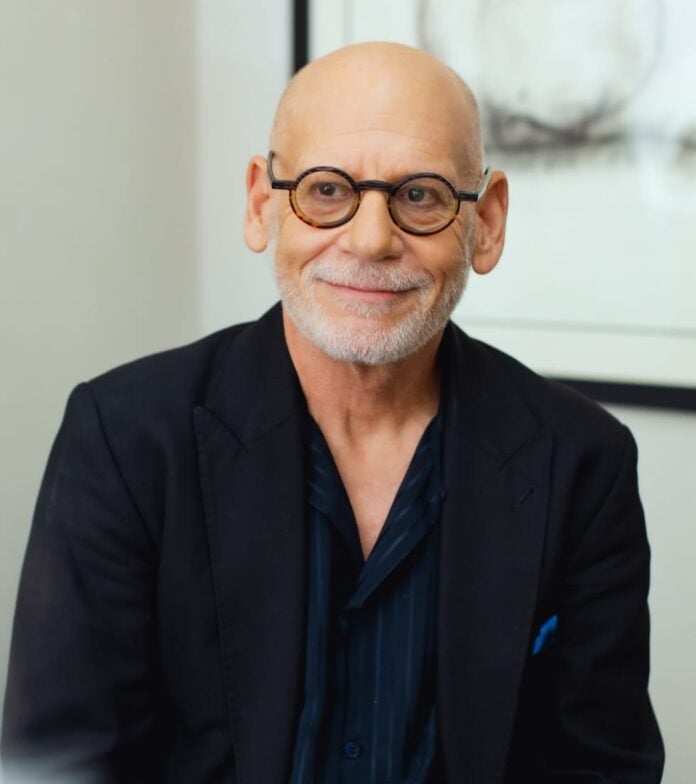
Medical inventions are usually told as engineering stories: the prototype, the trial, the approval. Dr. Steven R. Cohen’s talk at TEDxClemsonU on September 26, 2026 dealt with the part those stories skip. The San Diego facial plastic surgeon spoke about creativity as the first stage of every breakthrough, the moment someone imagines that a standard method could be different.
His own inventions make a useful case study.
The talk, “How Creativity Can Save Your Life”, is available to watch on the TEDx Talks YouTube channel.
The device for the smallest patients
In the 1990s, working in pediatric craniofacial surgery, Dr. Cohen wanted a way to move a child’s jaw forward gradually from inside the mouth, without bulky external frames. The result was the MID system, the first commercially distributed internal distraction device, later distributed by Stryker. In 1997 he used distraction to treat a newborn with Pierre Robin syndrome, the first surgeon in the world to do so. The method has since become the preferred way to avoid tracheostomy in those infants.
He then asked a follow-up question: why should a child need a second operation to remove the hardware? The answer was a biodegradable distraction device, which he patented with Macropore, designed to dissolve after the bone heals.
The tools for regeneration
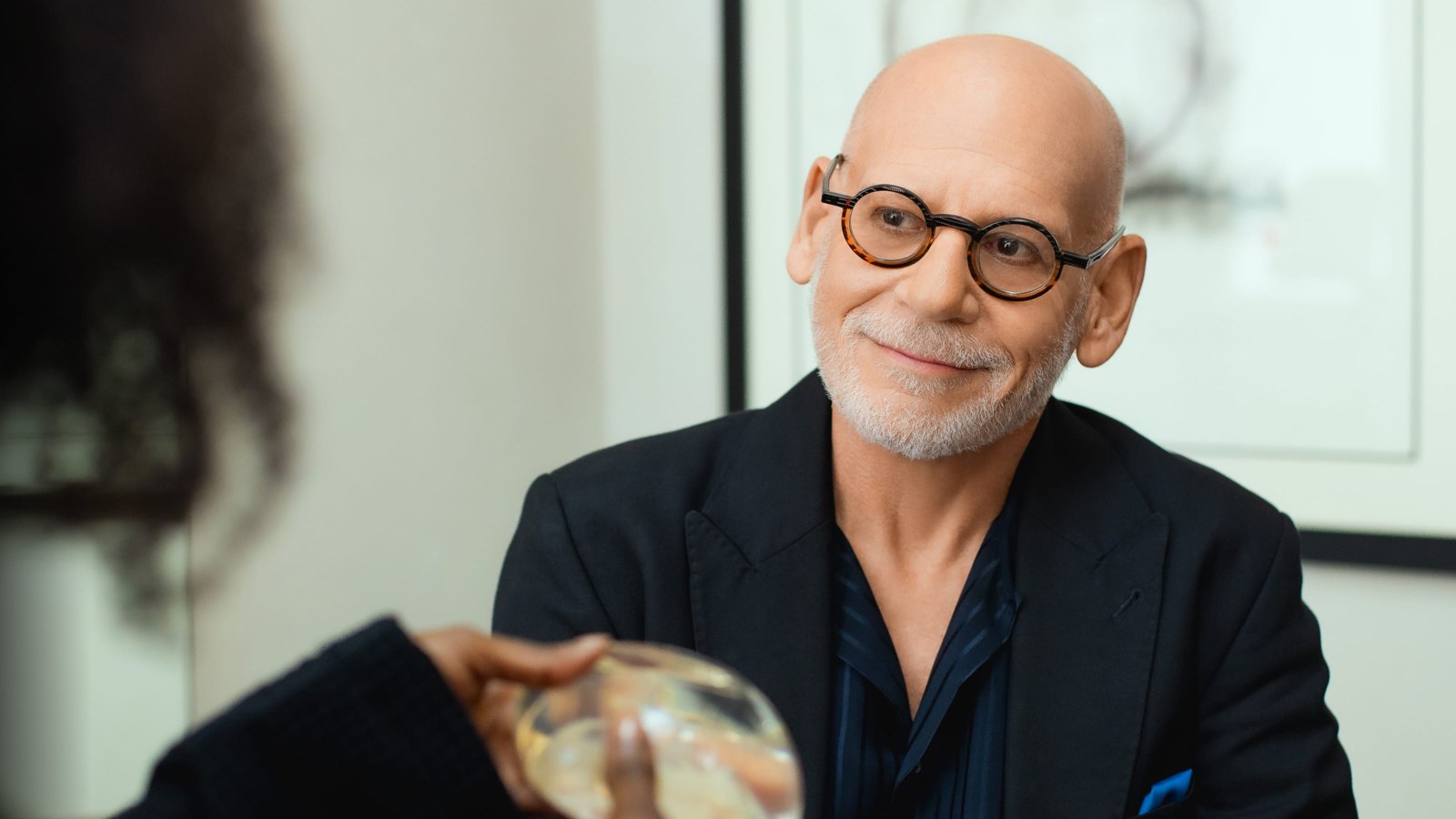
His later work moved to aesthetic and regenerative medicine, and the inventions followed. He co-created the Lipocube, which processes a patient’s fat into a concentrated graft rich in regenerative cells. He co-invented an outpatient biofilling kit with Tulip Medical and a closed-system liposuction and automatic fat-grafting device with Millennium Medical Technologies. His work on injectable tissue replacement won the Tiffany award for best scientific presentation at the American Society for Aesthetic Plastic Surgery’s 2017 meeting.
The question no one teaches
What the devices share is the question that came before them. It is not a technical question. It is an imaginative one: what if this were done differently? Dr. Cohen’s argument at Clemson was that this question is the same whether a painter, a physicist or a surgeon asks it, and that institutions which treat creativity as optional end up training it out of the people they most need.
He has described his own habit as staying open-minded and, in his words, “in some ways childlike.” For an inventor that is a working method. The trained instinct is to accept the established technique. The childlike one is to ask why.
Clemson is a university with deep roots in engineering and applied science, and many students in the audience will go on to design devices of their own. Dr. Cohen’s talk gave them a model of where those designs start.
Dr. Cohen is the founder of FACES+ in San Diego and a Clinical Professor of Plastic Surgery at UC San Diego.

