


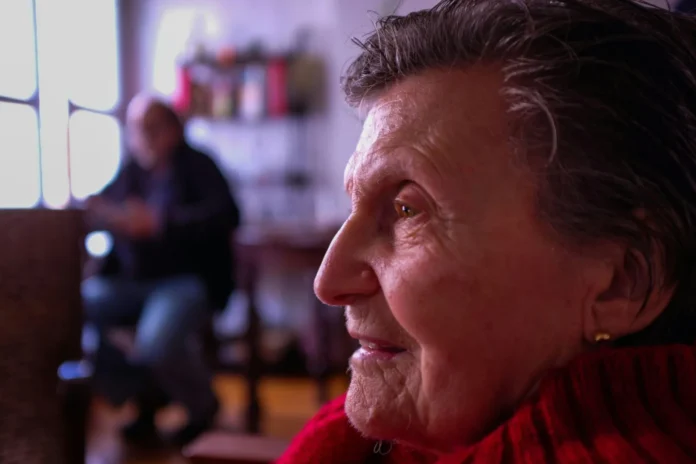
Photo By: Bruno Aguirre
She wakes up early to help her mother get dressed, spends her lunch break scheduling medical appointments, and finishes the evening preparing meals for the next day. By the time she finally sits down, she’s exhausted.
Then comes the guilt.
She loves her mother. She wants to be there for her. So why does she sometimes wish someone else could take over?
It’s a contradiction many family caregivers experience but rarely feel comfortable admitting: loving someone deeply doesn’t make caring for them any less demanding.
As millions of Americans balance caregiving with employment, parenting, and their own health, the conversation around caregiver burnout is becoming increasingly important. Yet the emotional burden often extends far beyond the hours spent providing physical assistance.
Sometimes, the most exhausting part of caregiving is feeling responsible for everything.
The Emotional Labor Nobody Sees
Caregiving is often described through visible responsibilities: preparing meals, arranging transportation, managing appointments, or helping someone complete daily activities.
But those tasks represent only part of the experience.
Family caregivers may also become responsible for anticipating problems before they happen. They worry about falls, changes in behavior, missed appointments, and whether their loved one is receiving enough support.
Even during moments of rest, the responsibility can remain.
The CDC recognizes that prolonged caregiving can affect caregivers’ physical and mental health, particularly when ongoing responsibilities leave little time for personal well-being.
Unlike a conventional job, family caregiving rarely comes with clearly defined working hours. There may be no obvious moment when someone can mentally clock out.
A caregiver might finish every task on their list and still spend the evening wondering what tomorrow will bring.
That constant anticipation can make emotional recovery difficult, especially when the responsibility falls primarily on one person.
When Love Becomes an Obligation to Do Everything
For many caregivers, asking for help is more complicated than recognizing they need it.
An adult daughter may feel obligated to care for the parent who once raised her. A spouse might believe that decades of marriage mean they should personally handle every responsibility.
These expectations can turn caregiving into a test of devotion.
If someone becomes overwhelmed, they may interpret their exhaustion as evidence that they aren’t patient, loving, or capable enough.
But caregiving demands do not disappear simply because the relationship is meaningful.
AARP’s Caregiving in the U.S. 2025 research documents the extensive responsibilities family caregivers manage, illustrating how caregiving intersects with employment, finances, and personal well-being.
The difficulty is that caregivers may continue taking on responsibilities long after their capacity has been stretched.
Rest begins to feel selfish. Delegating feels uncomfortable. And admitting frustration can seem incompatible with loving the person who needs help. Yet devotion and unlimited availability are not the same thing.
When Caregiving Changes the Relationship
One of the quieter consequences of caregiver burnout is how it can reshape the relationship between two people.
A daughter who once visited her mother to share stories over coffee may now spend every visit organizing medications, cleaning the kitchen, and reviewing upcoming appointments.
A husband who spent decades enjoying ordinary routines with his wife may find that their conversations increasingly revolve around schedules, physical limitations, and practical needs.
The affection may remain unchanged, but the relationship begins revolving around responsibility. Over time, exhaustion can leave caregivers with less patience and emotional energy for the moments they once enjoyed.
That can create another layer of guilt. The caregiver isn’t necessarily frustrated with the person they love. They may be frustrated by the circumstances, the lack of support, or the feeling that every responsibility ultimately belongs to them.
Recognizing that distinction matters because burnout isn’t always a sign that someone wants to stop caring.
Sometimes, it means they need the opportunity to experience the relationship beyond caregiving again.
Care Shouldn’t Be a One-Person Responsibility
Jim Prussak, CEO of Applause Home Care, believes caregiving becomes more sustainable when responsibility is shared rather than concentrated on one person.
His company’s Care Partnering philosophy emphasizes “Helping Others Help Themselves,” encouraging older adults to participate in their daily routines and decisions wherever possible.
That approach challenges the assumption that supporting someone means automatically doing everything for them.
An older adult who needs assistance preparing meals may still want to choose what to eat. Someone who requires help with transportation may still be capable of organizing their own schedule.
Preserving those abilities can support independence while allowing family members and professional caregivers to focus on the assistance genuinely needed.
In-home care can also help redistribute practical responsibilities, whether through scheduled personal assistance, companionship, transportation, or household support. Professional services aren’t a universal solution, and affordability, availability, and individual needs all influence what families can realistically arrange.
But bringing additional support into a caregiving relationship can help prevent one person from becoming responsible for every task and every decision.
Giving Caregivers Permission to Be Family Again
For some families, the most meaningful benefit of additional caregiving support isn’t simply having fewer tasks to complete.
It’s having more opportunities to connect. A daughter might finally sit with her mother over lunch without spending the entire visit managing household responsibilities. A spouse might have the emotional energy to share a favorite movie, revisit old memories, or enjoy an afternoon together without constantly worrying about the next task.
Those moments don’t eliminate the difficulties of aging or caregiving. They remind families that their relationships are about more than the assistance someone needs.
Caregiver burnout should not be understood only as a question of how much work one person can physically manage. It is also about how much emotional responsibility someone can carry before their own well-being and relationships begin to suffer.
The objective shouldn’t be to discover how much a caregiver can endure before reaching a breaking point. It should be to build a support system in which the person receiving care is respected, the caregiver’s needs are acknowledged, and both have room to experience life beyond the responsibilities of caregiving.
Because sometimes, the most meaningful thing a caregiver can do isn’t another task. It’s finding a way to be a daughter, son, husband, or wife again.

