


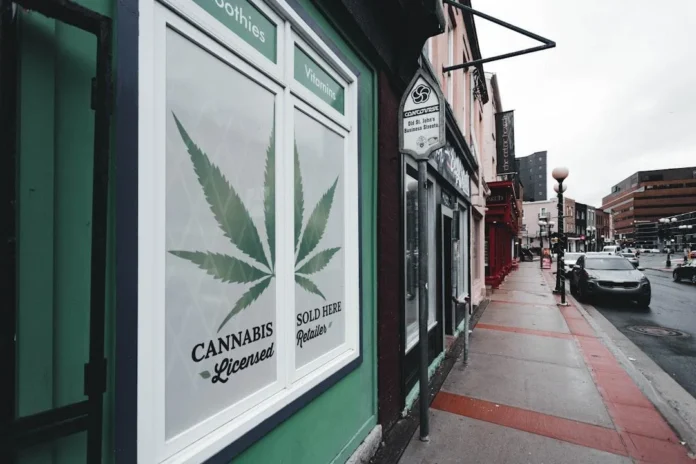
Pre-rolled cannabis has grown from a minor convenience item into one of the fastest expanding categories in regulated retail across mature markets. The growth is a convenience story rather than a product innovation story, and it follows a pattern visible in many other consumer goods categories.
What Pre-Rolls Actually Remove From the Purchase
Pre-rolls eliminate three separate steps between purchase and consumption. The customer skips grinding, rolling, and buying the equipment required for both, which collapses the distance between transaction and use to essentially zero.
Why That Matters More in Some Markets
Convenience premiums are highest where the alternative is most inconvenient. In visitor-heavy markets, where customers rarely carry grinders or papers, the practical value of a pre-roll rises considerably above its value to a resident with equipment at home.
How the Category Segmented as It Grew
Early pre-rolls were largely made from trim and lower grade material, which gave the category a durable quality reputation problem. That association has weakened as producers began rolling higher grade flower and disclosing the input material on packaging.
Where Input Disclosure Changed Buyer Behavior
Input transparency is what rehabilitated the category, and pre-roll menus now commonly specify the source flower and cultivar in each roll rather than listing the product generically by weight (Green Cannabis Co.).
Which Pre-Roll Variants Retail Most Often
The category now spans several distinct product types that differ in size, input material, and added concentrate rather than in basic function.
- Single pre-rolls, typically ranging from half a gram to a full gram
- Multi-packs containing several smaller rolls
- Infused pre-rolls, containing added concentrate
- Cultivar-specific rolls, made from a single named strain
Why Infused Products Complicate Dosing
Infused pre-rolls contain concentrate in addition to flower, which raises total cannabinoid content substantially above a conventional roll of the same weight (National Institute on Drug Abuse). Customers applying conventional expectations to an infused product frequently misjudge the result.
How Retail Staff Address the Gap
The distinction between conventional and infused rolls is the most common point of confusion in the category. Clarifying it at the counter takes one sentence and prevents most of the negative experiences the category produces.
What Nevada Regulation Requires
Pre-rolls sold in Nevada are subject to the same testing, packaging, and labeling requirements applied to other cannabis products (Nevada Cannabis Compliance Board). The convenience of the format does not exempt it from any part of the compliance framework.
Why That Parity Matters to Buyers
Identical testing requirements mean a pre-roll carries the same verified information as loose flower. The convenience premium buys time savings, not reduced oversight.
How Roll Construction Affects Burn Quality
Burn quality depends on grind consistency and packing density more than on flower grade. An unevenly packed roll channels and burns down one side regardless of how good the input flower was, which is why machine consistency matters in this category.
Why Paper Choice Shows Up in the Experience
Rolling paper thickness and material affect both burn rate and taste. Thinner papers contribute less flavor interference, which is why premium rolls typically specify paper type on the packaging.
Why Multi-Packs Changed the Value Comparison
Multi-packs shifted the category comparison from price per roll to price per gram, which put pre-rolls into direct competition with loose flower on cost. That reframing is a substantial part of why the category kept expanding after the initial convenience wave.
What Shelf Life Looks Like for Pre-Rolls
Ground flower has substantially more surface area exposed to air than intact buds, which accelerates drying and terpene loss (National Institute of Standards and Technology). Pre-rolls therefore benefit more from sealed packaging and recent production dates than most other flower formats.
How Multi-Packs Support Occasional Use
Sealed multi-packs let infrequent consumers keep unused portions fresh between sessions. That preservation is worth more to an occasional buyer than a lower price per gram on bulk flower.
Why Storage Between Sessions Affects Value
An opened multi-pack left in ambient conditions loses aroma across a week, so the remaining rolls deliver less than the first. Resealing or transferring to an airtight container preserves the balance of the purchase.
What That Means for Pack Size Selection
Buyers who consume slowly get better realized value from smaller packs than from the lowest price per unit. Pack size should follow consumption rate rather than headline price.
How the Format Serves New Consumers
Pre-rolls remove every preparation step, which makes them the lowest barrier entry point in the category. First-time buyers who would abandon a purchase requiring equipment complete one here.
Why That Matters for Category Growth
Products that eliminate setup convert customers who never become customers otherwise. The format expands the market rather than only redistributing existing demand.
Why Grind Consistency Determines Draw
Material ground too fine restricts airflow and material ground too coarse burns unevenly. The grind window that produces a good draw is narrower than most consumers realize, which is part of what the format is actually selling.
What Uneven Draw Signals
A roll that requires hard pulling was packed too tightly or ground too fine. One that burns away quickly was packed loosely, and both conditions trace to preparation rather than flower quality.
How Packaging Format Affects Freshness
Individually sealed tubes preserve moisture and aroma far better than open multi-packs. The packaging difference between two otherwise identical products meaningfully changes what a customer receives weeks after production.
Why Purchase Date Deserves Attention
Ground material degrades faster than intact flower, making production date more relevant here than elsewhere. Recent product delivers noticeably more of what the label describes.
How Machine and Hand Rolling Differ
Machine rolling produces consistent density at volume, while hand rolling allows adjustment to the specific material. Each method has characteristic advantages, and the price difference between them usually reflects labor rather than input quality.
Why Density Consistency Predicts Burn
A roll packed evenly along its length burns evenly, and one packed unevenly channels. Consistency matters more to the smoking experience than almost any other construction variable.
What Filter and Tip Design Contributes
Paper tips maintain the roll’s shape and prevent material from drawing through during use. Tip quality affects the last third of the experience considerably more than the first.
How Tip Design Reduces Waste
A well constructed tip lets a roll be consumed further down before it becomes unusable. That difference shows up directly in value per gram across regular purchasing.
Why Pre-Rolls Suit Group and Occasional Use
Single-serving formats fit occasions where a full purchase of loose flower would not be consumed before degrading. Occasional consumers and groups sharing a single item both get better value from the format.
What That Means for Purchase Planning
Buyers consuming infrequently lose more product to degradation than to consumption. Smaller sealed formats purchased more often generally deliver better realized value for that pattern.
How Infused Formats Changed Price Positioning
Infused rolls occupy a higher price tier because they contain concentrate in addition to flower. The comparison against conventional rolls is therefore a different product comparison rather than a premium version of the same thing.
The Broader Retail Pattern
Pre-roll growth follows the convenience curve visible across consumer goods generally. When a category removes preparation steps without sacrificing verified quality, it takes share from the format requiring more work.

