Home Blog Page 12

How to Apply for Disability: A Simple Path

0

Navigating the maze of applying for disability benefits can feel overwhelmingly complex, yet understanding each step is crucial for success. Did you know that only about 36% of first-time applicants get approved? This startling statistic underscores the importance of a strategic approach. This article serves as a comprehensive guide to demystify the disability application process. Readers will learn about determining eligibility, gathering essential documentation, and submitting their application using a convenient method. By providing clarity and actionable insights, the path to securing disability benefits becomes significantly more manageable.

Understanding How to Apply for Disability

Understanding How to Apply for Disability.jpg

Understanding the eligibility criteria is the first critical step in the disability application process. The Social Security Administration (SSA) mandates that applicants have a medical condition expected to last at least one year or result in death, and which prevents them from performing substantial gainful activity. It's essential to assess this requirement before proceeding with the application, as it forms the foundation for determining qualification. Work history and income also play significant roles in eligibility, impacting the type of benefits one might apply for, such as Social Security Disability Insurance (SSDI) or Supplemental Security Income (SSI).
Submitting a thorough application is paramount for a successful outcome. The application must be comprehensive, detailing the applicant's medical condition, treatment history, and its impact on daily activities and work capabilities. Medical records, physician statements, employment history, and personal identification should be meticulously gathered and included to substantiate the claim. Ensuring the accuracy and completeness of this documentation can minimize delays and improve the application's chances of approval.
Applicants have multiple methods to submit their application to the SSA, each with its own set of conveniences:

  • Online: Utilizing the SSA's online portal offers a fast and efficient way to apply, allowing for progress to be saved and revisited.
  • By phone: Applications can be submitted by calling the SSA, which may suit those who prefer direct interaction or lack internet access.
  • In-person: Visiting a local SSA office provides the opportunity for face-to-face assistance and immediate clarification of any questions that might arise during the process.
    Selecting the most suitable method depends on personal preferences and circumstances, but each is designed to facilitate the disability application process efficiently.

Eligibility Requirements for Disability Benefits

Eligibility Requirements for Disability Benefits.jpg

Eligibility for disability benefits is primarily influenced by both medical and work history factors. A critical requirement is having a medical condition that significantly hinders one's ability to perform work activities, which must be expected to last at least a year or potentially result in death. The severity of the medical condition, supported by comprehensive medical documentation, plays a vital role in establishing eligibility. Additionally, the applicant's work history impacts the type of benefits available, such as Social Security Disability Insurance (SSDI), which requires a certain number of work credits based on age and employment duration. The combination of these factors is essential in assessing an individual's qualification for disability benefits.
The concept of "substantial gainful activity" (SGA) is pivotal in determining eligibility. SGA refers to the ability to perform work that results in earnings above a specific threshold set by the Social Security Administration (SSA). To qualify for disability benefits, an applicant must be unable to engage in SGA due to their medical condition. This criterion ensures that benefits are directed towards individuals whose impairments genuinely prevent them from maintaining gainful employment. Understanding and meeting these requirements is fundamental to the application process.

  • Medical condition expected to last a year or result in death
  • Inability to perform substantial gainful activity
  • Relevant work history

Gathering Documentation for Disability Application

Gathering Documentation for Disability Application.jpg

Comprehensive medical records are a cornerstone of any successful disability application. They must thoroughly document the medical condition's history, treatments, and impacts on an individual's daily life and ability to work. Records from healthcare providers, hospitals, and specialists create a detailed picture of the applicant's health challenges. This documentation is pivotal in proving the severity of the condition to the Social Security Administration (SSA), as it provides concrete evidence of the medical issues affecting the applicant's functionality.
Employment history is another critical component evaluated during the disability application process. The SSA uses this information to determine eligibility for certain types of benefits, such as Social Security Disability Insurance (SSDI). Employment history should detail past job roles, duration of employment, and any changes in work capability due to the medical condition. This information helps assess the applicant's work credits and ensures they meet the employment duration requirements necessary for SSDI. Accurate reporting of this history is vital to avoid potential discrepancies that may delay the application process.
Physician statements play a significant role in fortifying a disability application. These statements should describe the medical condition's impact on the applicant's ability to perform routine activities and maintain employment. A physician's expert opinion, aligned with the medical documentation, provides a professional assessment of the applicant's limitations. This expert testimony can be a decisive factor in the SSA's evaluation, highlighting the necessity for applicants to obtain detailed, supportive statements from their healthcare providers.

  • Medical records
  • Employment history
  • Personal identification
  • Physician statements
  • Recent medical test results

Navigating the Disability Application Process.jpg

Online Application Process

The online application process through the Social Security Administration's (SSA) portal offers unparalleled convenience and speed. Applicants can begin their disability claim submission from the comfort of their home, allowing them to save their progress and revisit the application as needed. This flexibility is particularly beneficial for those with complex medical histories or those requiring additional time to gather necessary documentation. As a result, online applications are often the fastest route, streamlining the submission process and reducing wait times for initial processing.

Phone Application Process

Applying by phone is an alternative for individuals who prefer verbal communication or lack internet access. To initiate this process, applicants can contact the SSA directly to begin their disability application. During the call, representatives will guide applicants through the necessary steps, ensuring all relevant information is captured. This method provides an opportunity for immediate clarification of any questions, but applicants should be prepared for potential wait times due to call volume. It is also advisable to have all documentation at hand before making the call to facilitate a smooth interaction.

In-Person Application Process

Submitting an application in person at a local SSA office offers the advantage of face-to-face assistance. Applicants can receive personalized support, addressing any uncertainties or questions directly with SSA staff. This method is ideal for those who prefer direct interaction and need assistance with complex paperwork. When opting for an in-person application, it is crucial to schedule an appointment in advance to minimize wait times. Bringing all required documentation ensures that the process is completed efficiently during the visit.
Navigating the disability application process requires careful consideration of the available methods. Each option—online, by phone, or in person—has distinct advantages tailored to different preferences and circumstances. The overall application process can take three to five months, and applicants should prepare for potential delays, especially during the evaluation of medical evidence. Selecting the most suitable submission method can significantly affect the ease and speed of the disability claim submission.

Addressing Denied Disability Claims and the Appeals Process

Addressing Denied Disability Claims and the Appeals Process.jpg

When a disability claim is denied, understanding the reasons for the denial is the first step in navigating the appeals process. Common reasons for denial include insufficient medical evidence, failure to meet the criteria for "substantial gainful activity," or incomplete application forms. These factors can significantly impact the outcome of an initial claim. To address these issues, applicants should review the denial letter carefully, which typically outlines the specific reasons for the decision. By identifying and rectifying these areas, applicants can strengthen their position in subsequent appeals.
The appeals process for a denied disability claim consists of several stages, each providing an opportunity for the applicant to present additional evidence or clarify existing documentation. The first stage is reconsideration, where a new examiner reviews the claim and any new information provided. If the claim is denied again, the next step involves a hearing by an administrative law judge, offering the applicant a chance to present their case in person. Should the decision remain unfavorable, the case can be taken to the Appeals Council for further review. Finally, if necessary, the applicant may appeal to a federal court, where legal representation is typically required.

  • Reconsideration
  • Hearing by an administrative law judge
  • Appeals Council review
  • Federal court
    Increasing the chances of a successful appeal requires careful preparation and attention to detail. Gathering comprehensive medical evidence that clearly demonstrates the severity and impact of the condition is crucial. Engaging a disability attorney or advocate can provide valuable guidance throughout the process, offering expertise in presenting the case effectively. Additionally, ensuring all requested documentation is complete and accurate can prevent unnecessary delays. By following these steps, applicants can improve their prospects of overturning a denial and securing the benefits they need.

Final Words

Navigating the intricacies of how to apply for disability requires a thorough understanding of eligibility criteria and meticulous preparation. Insight into the significance of medical documentation and the various submission methods empowers applicants. By effectively utilizing these submission options—online, by phone, or in-person—individuals can maximize their chances of a successful claim. Regardless of potential setbacks such as denials, understanding the appeals process provides a pathway to resolution. An informed and persistent approach can lead to achieving the support necessary for those facing disabling conditions.

FAQ

Q: How can one apply for disability benefits?

A: To apply for disability benefits, submissions can be made online, by phone, or in person. Understanding the eligibility criteria and ensuring comprehensive documentation enhances the chances of a successful application.

Q: What are the eligibility requirements for disability benefits?

A: Eligibility for disability benefits often requires a medical condition that impairs work ability for at least a year or could result in death, with the assessment needing relevant work history and income.

Q: What documentation is needed for a disability application?

A: Essential documents for a disability application include medical records, employment history, personal identification, physician statements, and recent medical test results to corroborate the claim's validity.

Q: What methods are there for submitting a disability application?

A: Disability applications can be submitted through the SSA's online portal for convenience, by phone for direct assistance, or in-person at a local SSA office when personal interaction is needed.

Q: What should someone do if their disability claim is denied?

A: If a disability claim is denied, the appeals process includes stages like reconsideration, a hearing by an administrative law judge, Appeals Council review, and potentially progressing to a federal court.

Q: What are common reasons for disability claim denials?

A: Common reasons for claim denials include insufficient medical documentation, failure to meet the duration requirement, and not qualifying for substantial gainful activity, necessitating a well-documented appeal to contest the decision.

What Is an Organic Substitute for Adderall?

0

Can nature offer a safe and effective alternative to pharmaceuticals like Adderall for boosting focus and managing ADHD symptoms? As more individuals seek options without the associated side effects of prescription medications, the interest in organic substitutes has surged. The exploration of natural compounds such as L-theanine, Rhodiola Rosea, and Bacopa Monnieri brings new possibilities for enhancing cognitive performance. This article delves into these natural alternatives, evaluating their potential benefits and comparing them to traditional medications, to determine if they can effectively replace Adderall in the pursuit of better mental clarity and focus.

Understanding Adderall and Its Uses

Understanding Adderall and Its Uses.jpg

Adderall is a prescription medication primarily used to treat attention deficit hyperactivity disorder (ADHD) and narcolepsy. It is composed of amphetamine and dextroamphetamine, which are central nervous system stimulants. These compounds work by altering the levels of certain natural substances in the brain, which helps increase attention and decrease impulsiveness and hyperactivity in patients diagnosed with ADHD. For individuals with narcolepsy, Adderall aids in maintaining wakefulness and alertness, counteracting excessive daytime sleepiness.
The benefits of Adderall in managing ADHD symptoms are well-documented. Patients often experience improved focus, better organizational skills, and increased attention span. This enhanced cognitive function allows individuals to perform tasks more efficiently, contributing to better academic, professional, and social outcomes. Additionally, Adderall's ability to boost energy levels is beneficial for those struggling with fatigue, especially in the context of narcolepsy, where it helps maintain a normal level of alertness throughout the day.

  • Insomnia
  • Increased heart rate
  • Anxiety
  • Dry mouth
  • Potential dependency
    Despite its benefits, Adderall is associated with several side effects that necessitate the consideration of alternatives. The risk of developing dependency is a significant concern, as long-term use can lead to tolerance and withdrawal symptoms. Additionally, side effects such as insomnia and increased heart rate can be particularly concerning, especially for individuals with pre-existing cardiovascular conditions. These factors drive the interest in finding safer, natural alternatives that can offer cognitive benefits without the adverse effects commonly associated with stimulant medications.

What Are Natural Alternatives to Adderall?

What Are Natural Alternatives to Adderall.jpg

The growing interest in natural alternatives to Adderall is fueled by concerns over the side effects and dependency risks associated with prescription stimulants. Individuals seek options that provide cognitive enhancements while minimizing adverse effects. Organic substitutes for Adderall, such as L-theanine, Rhodiola Rosea, and Bacopa Monnieri, are gaining popularity for their ability to improve focus, reduce anxiety, and enhance memory without the pharmacological drawbacks.
L-theanine, found in green tea, is recognized for its calming effects that promote relaxation without causing sedation. It increases the production of neurotransmitters like serotonin and dopamine, which can improve mood and cognitive performance. When combined with caffeine, L-theanine enhances alertness and focus, making it a favored choice for those looking to maintain concentration and reduce stress levels.
Rhodiola Rosea, an adaptogenic herb, is known for its ability to combat fatigue and support mental clarity. It enhances the body's resilience to stress by modulating the release of stress hormones. This can lead to improved attention span and reduced mental fatigue, which are beneficial effects for individuals experiencing cognitive overload or burnout. Rhodiola is particularly valued for its energizing properties without causing jitteriness.
Bacopa Monnieri, a traditional Ayurvedic herb, is esteemed for its memory-enhancing capabilities. It supports cognitive function by promoting the growth of nerve cells and increasing blood flow to the brain. Regular use of Bacopa Monnieri has been shown to improve memory retention, information processing, and learning capacity. These attributes make it a promising natural alternative for those seeking cognitive enhancement.

Alternative Primary Benefit
L-theanine Promotes relaxation and enhances focus
Rhodiola Rosea Reduces fatigue and improves mental clarity
Bacopa Monnieri Enhances memory and cognitive function

Comparing the Effectiveness of Natural Alternatives to Adderall

Comparing the Effectiveness of Natural Alternatives to Adderall.jpg

Scientific studies indicate that while natural alternatives to Adderall may not achieve the same level of potency, they provide cognitive enhancements with fewer associated risks. Adderall, known for its efficacy in improving focus and attention, operates through stimulant properties that can lead to various side effects. In contrast, natural supplements like L-theanine and Rhodiola Rosea offer milder effects conducive to cognitive function improvement. L-theanine, found in tea leaves, facilitates relaxation without causing drowsiness, making it a viable option for stress reduction and concentration enhancement. Similarly, Rhodiola Rosea, an adaptogen, aids in managing stress and mental fatigue, thereby supporting cognitive clarity and resilience.
The use of natural supplements presents both advantages and drawbacks. On the positive side, these alternatives are generally associated with fewer side effects compared to stimulant medications, reducing the risk of dependency or cardiovascular complications. However, the cognitive benefits they offer might be less pronounced than those of Adderall, particularly in individuals with severe attention deficits. Users may find that natural supplements require a longer duration to exhibit noticeable effects, and their efficacy can vary significantly among individuals. Despite these variations, the lower risk profile of natural supplements makes them appealing for those seeking safer long-term options.

  • Natural supplements typically have fewer side effects than Adderall.
  • The potency of cognitive enhancement is generally milder with natural alternatives.
  • They present a lower risk of dependency compared to stimulant medications.
  • Natural alternatives may take longer to show effectiveness.

Legal and Availability Considerations for Organic Adderall Alternatives.jpg

Natural Adderall alternatives, such as L-theanine and Rhodiola Rosea, are generally accessible as over-the-counter supplements in numerous countries, circumventing the need for a prescription. Despite their widespread availability, users must confirm the legality of these supplements within their specific region, as regulations can vary. It is crucial to consult healthcare providers before incorporating these alternatives into one's regimen, to ensure safe and suitable usage, especially in individuals with pre-existing health conditions or those currently on medication.
Purchasing these supplements is relatively straightforward, with options ranging from online platforms to physical health stores. Online marketplaces, health food stores, and pharmacies typically stock a variety of these organic products, offering consumers convenience and choice.

  • Online marketplaces (e.g., Amazon, eBay)
  • Health food stores
  • Pharmacies
    By consulting healthcare professionals and verifying regional legality, individuals can make informed decisions regarding the use of natural Adderall alternatives, ensuring both compliance with local regulations and personal safety.

Expert Opinions on Natural Alternatives to Adderall

Expert Opinions on Natural Alternatives to Adderall.jpg

Experts in the field of ADHD management acknowledge the growing interest in natural alternatives to Adderall, noting that while these options are promising, they are not a substitute for professional diagnosis and treatment. Physicians and researchers highlight that natural supplements like L-theanine, Rhodiola Rosea, and Bacopa Monnieri can offer mild cognitive benefits, yet they caution against their use as primary treatment methods. The consensus among experts is that these supplements may support cognitive enhancement and stress reduction, but their efficacy and safety must be evaluated on an individual basis.
Ongoing research endeavors are crucial in understanding the role of natural supplements in cognitive health. Recent studies investigate the mechanisms through which these supplements exert their effects, with a focus on neurotransmitter modulation and stress response. Research findings suggest that L-theanine promotes relaxation by increasing alpha brain wave activity, Rhodiola Rosea enhances stress resilience through hormonal regulation, and Bacopa Monnieri supports memory by increasing synaptic communication. Despite these positive insights, the scientific community stresses the need for further rigorous trials to establish definitive conclusions on their efficacy and safety profiles.
A balanced approach to ADHD management, integrating professional consultation with interest in natural alternatives, is vital. Healthcare providers emphasize the importance of individualized treatment plans that consider both pharmacological and non-pharmacological options. Patients are advised to discuss any interest in natural supplements with their healthcare professionals to ensure safe and effective integration into their ADHD management strategies, thus avoiding potential interactions and ensuring comprehensive care.

Final Words

Exploration of Adderall's role in managing ADHD and narcolepsy highlighted its benefits, such as enhanced focus and energy. The side effects like insomnia and dependency, however, underscore the interest in discovering natural alternatives. Supplements like L-theanine, Rhodiola Rosea, and Bacopa Monnieri offer cognitive enhancements with fewer risks.

When comparing effectiveness, these options present viable safety advantages despite being less potent than Adderall.

Understanding the legal status and availability of these organic substitutes is crucial for users. Consulting healthcare professionals remains a priority.

Pursuing insights on what is an organic for Adderall? emphasizes the importance of informed choices and a balanced approach to cognitive health.

FAQ

Q: What are drugs similar to Adderall available over the counter?

A: Over-the-counter drugs similar to Adderall often include natural supplements like L-theanine, Rhodiola Rosea, and Bacopa Monnieri, known for their cognitive and mood-enhancing properties.

Q: What is the best natural Adderall alternative?

A: The best natural alternative can vary, but many find L-theanine effective for promoting relaxation and focus, while Rhodiola Rosea is popular for stress reduction and Bacopa Monnieri for memory enhancement.

Q: Are there liquid Adderall options over the counter?

A: Liquid Adderall formulations are not available over the counter; however, various liquid supplements aim to mimic some benefits, though not specifically prescribed as Adderall alternatives.

Q: What are alternatives to Adderall for adults with fatigue?

A: For adults experiencing fatigue, natural alternatives like Rhodiola Rosea and Bacopa Monnieri may offer energy-boosting and cognitive-enhancing benefits without the side effects of prescription stimulants.

Q: What is a natural alternative to Ritalin for adults?

A: Bacopa Monnieri and Rhodiola Rosea serve as popular natural alternatives to Ritalin for adults, providing cognitive and mood support with fewer side effects.

Q: Is there a natural stimulant for ADHD?

A: Natural stimulants such as L-theanine and Rhodiola Rosea are used to help ADHD symptoms, focusing on attention and reducing anxiety, though not matching prescription stimulant effects entirely.

Q: Does Wellbutrin give you energy like Adderall?

A: Wellbutrin, primarily used as an antidepressant, can increase energy and focus for some but doesn't replicate Adderall's stimulant properties or effects in treating ADHD.

Can Babies Have Advil? Age Guidelines and Safety

0

"Can babies have Advil?" This question perplexes many new parents eager to alleviate their child's discomfort but cautious about potential health implications. Advil, a common anti-inflammatory medication, comes with a set of age guidelines that demand careful consideration. Infants under six months face heightened risks and limited safety data, necessitating informed decision-making. As such, navigating these guidelines is essential for ensuring safe and effective use of Advil in infants. This article delves into age restrictions, safety concerns, and the crucial role of professional healthcare guidance in the administration of Advil to young children.

Can Babies Have Advil? Understanding Age Restrictions and Safety

Can Babies Have Advil Understanding Age Restrictions and Safety.jpg

Can babies have Advil? The short answer is no, not if they are under 6 months of age. Advil, containing the active ingredient ibuprofen, is generally not recommended for infants under this age due to potential health risks and insufficient safety data. Infants younger than 6 months have immature kidneys and a developing gastrointestinal system, making them more susceptible to complications such as kidney damage and gastrointestinal bleeding. The lack of comprehensive studies on the effects of ibuprofen in this age group necessitates cautious avoidance.
For infants aged 6 months and older, can Advil be administered safely? Yes, but only under the guidance of a healthcare professional. Even for older infants, a healthcare provider's supervision is critical to ensure the medication is suitable for the infant's specific health needs. Factors such as the infant's weight, existing health conditions, and concurrent medications must be considered to avoid adverse effects and ensure effective pain and fever management. Consulting a pediatrician can help tailor the dosage and administration schedule to the infant's unique medical profile.
Understanding the safety data and potential health risks associated with Advil use in infants is vital for informed decision-making. While Advil can be effective in reducing fever and relieving minor aches in older infants, it is essential to be aware of the potential side effects, including upset stomach, nausea, and rare but serious risks like kidney damage and allergic reactions. Comprehensive knowledge of these risks enables parents to monitor their child closely and take immediate action if adverse reactions occur, ensuring the child's health and safety remain the top priority.

Dosage Recommendations for Infants: Navigating Weight-Based Guidelines

Dosage Recommendations for Infants Navigating Weight-Based Guidelines.jpg

When considering Advil for infants, dosage is determined by weight rather than age. The recommended dosage is typically 5-10 mg of ibuprofen per kilogram of the infant's body weight. This dosage can be administered every 6-8 hours as needed, but should not exceed four doses within a 24-hour period. Precise dosing is crucial to minimize risks and maximize efficacy, as incorrect dosing can lead to potential side effects or inadequate pain relief. Understanding these weight-based guidelines ensures that the medication is administered safely and effectively.
To calculate the correct dosage for an infant:

  • Weigh the infant accurately using a reliable scale.
  • Calculate the dosage range in milligrams by multiplying the infant's weight in kilograms by 5 and 10.
  • Consult the medication packaging or a healthcare provider for the correct liquid measurement equivalent.
    Consulting a healthcare provider is imperative to ensure the accuracy of the dosage and to verify that Advil is appropriate for the infant's specific health needs. A healthcare professional can provide tailored advice, considering the infant's medical history, any concurrent medications, and potential health risks. This consultation helps prevent adverse effects and ensures that the infant receives the safest and most effective pain or fever management possible.

Potential Side Effects of Advil in Babies: What to Watch For

Potential Side Effects of Advil in Babies What to Watch For.jpg

Can babies experience side effects from Advil? Yes, common side effects of Advil in infants include upset stomach, nausea, and diarrhea. These side effects can occur due to the infant's sensitive gastrointestinal system, which may not tolerate ibuprofen well. While these reactions are usually mild, they can cause discomfort and distress in an infant. Parents should closely observe their child after administering Advil to identify any of these symptoms early.

Side Effect Severity
Upset Stomach Mild
Nausea Mild
Diarrhea Mild
Allergic Reactions Severe
Kidney Damage Severe

Can serious side effects from Advil occur in infants? Although rare, severe side effects such as allergic reactions and kidney damage can occur. Allergic reactions might present as rash, swelling, or difficulty breathing and require immediate medical attention. Kidney damage, while uncommon, is a significant concern due to the developing nature of an infant’s renal system. Monitoring the infant’s response to Advil is crucial, and any signs of severe side effects should prompt immediate consultation with a healthcare provider to prevent complications.

Alternatives to Advil: Exploring Safe Infant Pain Relief Options

Alternatives to Advil Exploring Safe Infant Pain Relief Options.jpg

Are alternatives to Advil necessary for infants? Yes, particularly for those under 6 months of age, when ibuprofen is generally not recommended. The potential risks associated with Advil, such as gastrointestinal irritation and kidney issues, make it critical to consider safer options. Even for older infants, the risk of side effects warrants exploration of alternative pain relief methods that pose fewer risks to their developing systems. Ensuring the safety and well-being of infants is paramount, thus necessitating the investigation of suitable substitutes.
What is the primary alternative to Advil for infants? Acetaminophen, commonly known as Tylenol, is often recommended as a safer option for pain and fever relief in younger infants. It offers a favorable safety profile and is widely used in pediatric care. Acetaminophen works effectively to alleviate discomfort without the gastrointestinal side effects commonly associated with ibuprofen. It is essential, however, to administer acetaminophen according to weight-based dosing guidelines and under the supervision of a healthcare professional to avoid potential complications, such as liver damage from overdose.
Alternative, non-medical methods for infant pain relief include:

  • Warm baths: Soothing and calming for minor discomforts.
  • Gentle massage: Helps relax muscles and ease tension.
  • Cool compresses: Useful for reducing mild fever or localized pain.
  • Distraction techniques: Engaging the infant with toys or music to divert attention from discomfort.
    Why is it important to seek professional healthcare advice when choosing alternatives? Consulting a healthcare provider ensures that any chosen alternative is appropriate for the infant's specific health needs and conditions. Professional guidance can prevent adverse effects and provide tailored recommendations based on the infant's medical history and current health status. This approach not only safeguards the infant's health but also empowers caregivers with the knowledge needed to make informed decisions about pain and fever management.

The Importance of Consulting Healthcare Professionals for Baby Medications

The Importance of Consulting Healthcare Professionals for Baby Medications.jpg

Pediatricians play a crucial role in ensuring the safe administration of medications such as Advil in infants. Before giving any medication to an infant, it is imperative to consult with a healthcare provider to guarantee both safety and accurate dosing. Pediatricians possess specialized knowledge of infant physiology and can assess potential risks, considering the infant's medical history and current health status. Their expertise helps tailor medication plans to meet the specific needs of each infant, thereby preventing adverse reactions and ensuring effective symptom management. By providing individualized advice, pediatricians aid in the safe and effective use of medications, minimizing the likelihood of complications.

H3 – Recognizing When to Seek Immediate Medical Attention

  • Difficulty breathing: An urgent symptom that may indicate an allergic reaction.
  • Persistent vomiting: Could signal gastrointestinal distress or adverse medication effects.
  • Severe rash or swelling: Potentially indicating a serious allergic response.
    Professional healthcare guidance not only safeguards against adverse effects but also ensures the infant's overall well-being. By consulting a pediatrician, caregivers can make informed decisions about medication use, understanding both the benefits and potential risks. This proactive approach empowers parents to act swiftly if adverse symptoms manifest, promoting rapid intervention and optimal health outcomes. Moreover, professional advice provides reassurance, helping caregivers navigate the complexities of infant medication administration with confidence.

Final Words

Understanding whether "can babies have Advil?" requires careful consideration of age restrictions and safety. Infants under 6 months should generally avoid Advil due to potential health risks, while those older need guidance from healthcare professionals. Accurate dosing based on weight is crucial, emphasizing the importance of professional consultations. Recognizing potential side effects, from common to severe, ensures preparedness for any adverse reactions. Exploring alternatives, like acetaminophen, provides safe pain relief options, but professional advice remains paramount. Prioritizing expert consultation fosters informed decisions, safeguarding infant health effectively.

FAQ

Is infant Advil safe for babies?

Infant Advil is not recommended for infants under 6 months. For those aged 6 months and older, usage should be supervised by a healthcare professional due to potential health risks and limited safety data.

Why can't babies have ibuprofen before 6 months?

Ibuprofen is generally not advised for those under 6 months due to potential kidney and stomach issues, as well as inadequate safety data supporting its use in this age group.

How much Advil should be administered to an infant?

The correct Advil dose for infants is weight-dependent. The usual dosage is 5-10 mg per kilogram, given every 6-8 hours, not surpassing four doses within 24 hours.

Can I give my child ibuprofen every 4 hours?

It is typically not safe to give ibuprofen every 4 hours. The recommended interval is every 6-8 hours, and you should not exceed four doses within a 24-hour period.

Is Advil or Tylenol safer for babies?

Tylenol (acetaminophen) is often considered safer for infants under 6 months and is widely used for pain and fever relief. Always consult a pediatrician for guidance.

Can you give children's Motrin to an infant?

Children's Motrin is generally not suitable for infants under 6 months. Consult a healthcare professional to determine appropriate usage for older infants.

How is ibuprofen dosage determined by weight?

To determine ibuprofen dosage:

  1. Weigh the infant in kilograms.
  2. Calculate 5-10 mg per kilogram.
  3. Limit to every 6-8 hours, not over four doses in 24 hours.

What are the potential side effects of Advil in babies?

Common side effects include upset stomach, nausea, and diarrhea. Serious side effects may involve allergic reactions and kidney damage. Always monitor the infant closely for any adverse reactions.

What are safe alternatives to Advil for infant pain relief?

Alternatives include acetaminophen (Tylenol). Non-medical methods may include:

  • Warm baths
  • Gentle massages
  • Teething rings
  • Maintaining hydration

Why is consulting healthcare professionals important for baby medications?

Consulting healthcare professionals is vital to ensure safety and proper dosing of medications for infants. Pediatricians provide expert guidance to minimize risks and adverse effects.

10 Best Scientists of All Time: Icons of Innovation

0

Are the greatest scientific minds of all time still relevant in shaping our world today? These luminaries, whose revolutionary theories and groundbreaking experiments have laid the foundations of modern science and technology, continue to profoundly influence various fields. From Albert Einstein's relativity theory to Marie Curie's pioneering work in radioactivity, this article explores the monumental achievements of these iconic innovators. By delving into their contributions, readers will gain a deeper appreciation for how these brilliant minds have not only expanded our understanding of the universe but also continue to inspire future generations of scientists.

Albert Einstein: Pioneer of Modern Physics

Albert Einstein Pioneer of Modern Physics.jpg

Albert Einstein is celebrated for his revolutionary theories that reshaped the landscape of physics. His theory of relativity, encompassing both the special and general relativity, fundamentally altered our understanding of time, space, and gravity. The special theory of relativity introduced the concept that time and space are interwoven into a single continuum known as spacetime, while the general theory extended this idea to include gravity as a curvature of spacetime caused by mass. His famous equation, E=mc², encapsulates the principle of mass-energy equivalence, suggesting that mass can be converted into energy and vice versa. This paradigm shift laid the groundwork for modern physics, influencing subsequent research in both theoretical and experimental physics.

  • Theory of Special Relativity
  • Theory of General Relativity
  • Mass-Energy Equivalence (E=mc²)
  • Photoelectric Effect
  • Quantum Theory Contributions
    Einstein's contributions extended beyond theoretical physics, impacting society and science profoundly. His work on the photoelectric effect, which demonstrated that light can be quantized, earned him the Nobel Prize in Physics in 1921 and was pivotal in the development of quantum mechanics. His insights fostered technological advancements and philosophical discussions about the nature of reality and the limits of knowledge, making him not only a scientific icon but also a cultural figure who continues to inspire generations worldwide.

Isaac Newton: Foundations of Classical Mechanics

Isaac Newton Foundations of Classical Mechanics.jpg

Isaac Newton, a towering figure among historical scientists, profoundly influenced classical mechanics through his formulation of the laws of motion and the law of universal gravitation. These laws, pivotal in the realm of physics, provided a comprehensive framework for understanding the motion of objects. Newton's laws elucidate the relationship between a body and the forces acting upon it, laying the groundwork for future scientific breakthroughs and technological advancements.
| Law | Description |
|————————–|—————————————————————————–|
| First Law of Motion | An object at rest stays at rest, and an object in motion stays in motion unless acted upon by an external force. |
| Second Law of Motion | The acceleration of an object is directly proportional to the net force acting on it and inversely proportional to its mass. |
| Third Law of Motion | For every action, there is an equal and opposite reaction. |
Newton's contributions extend beyond physics, influencing mathematics and engineering. His work underpins modern technologies, from space exploration to structural engineering. The enduring legacy of his theories continues to shape scientific inquiry, serving as a foundational pillar for subsequent innovations across diverse disciplines. Newton's intellectual rigor and groundbreaking discoveries cemented his status as one of the most influential scientists of all time.

Marie Curie: Trailblazer in Radioactivity

Marie Curie Trailblazer in Radioactivity.jpg

Marie Curie's pioneering research in the field of radioactivity marked a profound shift in scientific understanding and opened new avenues in chemistry and physics. Her groundbreaking work involved the discovery of two radioactive elements, polonium and radium, through meticulous research and experimentation. These discoveries were pivotal in advancing the field of nuclear physics and chemistry, providing a deeper understanding of atomic structure. Curie's dedication to her research was evident as she developed techniques for isolating radioactive isotopes, which laid the groundwork for future medical applications such as cancer treatment. Her innovative approaches and relentless pursuit of scientific truth not only expanded the realm of chemical discoveries but also established radioactivity as a critical area of study.
Curie was awarded the Nobel Prize in Physics in 1903, shared with her husband Pierre Curie and Henri Becquerel, for their collective work on radioactivity. She made history again in 1911 by winning the Nobel Prize in Chemistry, becoming the first and only person to receive Nobel Prizes in two different scientific fields. These accolades underscored her role as a leading figure in science and highlighted her significant contributions to both physics and chemistry.
Marie Curie's legacy transcends her scientific achievements; she is a symbol of perseverance and excellence in the scientific community, especially for women in science. Her work inspired generations of scientists and paved the way for future research in nuclear science and medicine. Curie's influence endures in the continual advancements in scientific exploration and the ongoing appreciation of her contributions to understanding the natural world.

Charles Darwin: Evolutionary Biology Pioneer

Charles Darwin Evolutionary Biology Pioneer.jpg

Charles Darwin's monumental contribution to evolutionary biology is encapsulated in his theory of evolution by natural selection. This groundbreaking concept, articulated in "On the Origin of Species" published in 1859, posited that species evolve over time through a process of natural selection, where traits beneficial for survival become more common in successive generations. Darwin's extensive observations during his voyage on the HMS Beagle, particularly in the Galápagos Islands, provided empirical evidence supporting his theory. The implications of his work extended far beyond biology, challenging existing paradigms and reshaping the understanding of life's diversity. By suggesting that all species share common ancestry, Darwin's theory laid the foundation for modern evolutionary studies, influencing genetics, ecology, and paleontology.
The initial reaction to Darwin's theory was mixed, sparking intense debate within scientific and religious communities. While some embraced his ideas as a transformative scientific breakthrough, others criticized it for contradicting established beliefs about creation. The scientific community eventually recognized the robustness of Darwin's arguments, facilitated by the subsequent discovery of genetic mechanisms that corroborated natural selection. This acceptance marked a pivotal shift in the scientific discourse, establishing evolution as a cornerstone of biological science.

The Influence of Darwin's Work on Modern Biology

Darwin's theory of evolution by natural selection remains integral to modern biology, providing a unifying framework for understanding the complexity of life. It underpins contemporary research in genetics, where the study of DNA elucidates the hereditary mechanisms of evolutionary change. Evolutionary theory also informs conservation biology, guiding efforts to preserve biodiversity by understanding species' adaptability to environmental changes. The principles of natural selection are applied across disciplines, from medicine to artificial intelligence, showcasing Darwin's enduring impact on scientific thought and innovation.

Nikola Tesla: Innovator in Electrical Engineering

Nikola Tesla Innovator in Electrical Engineering.jpg

Nikola Tesla's pivotal role in advancing electrical engineering is epitomized by his development of the alternating current (AC) electricity supply system. AC electricity, which allows the transmission of power over long distances with minimal energy loss, revolutionized the way electrical energy was distributed, making it the standard for global power systems. Tesla's innovative AC motor and transformer designs were crucial in overcoming the limitations of direct current (DC) systems, which were dominant at the time. His collaboration with industrialists such as George Westinghouse facilitated the widespread adoption of AC technology, culminating in the successful lighting of the 1893 World's Columbian Exposition in Chicago. Tesla's visionary work laid the foundation for modern electrical grids, underscoring his profound impact on technological progress.
Tesla's inventive genius extended beyond AC electricity, as evidenced by his numerous patents and groundbreaking ideas. Among his notable inventions was the Tesla coil, an electrical resonant transformer circuit capable of producing high-voltage, low-current, high-frequency alternating current electricity. This invention not only showcased his mastery of electromagnetic principles but also became instrumental in the development of radio technology and wireless communication. Tesla's relentless pursuit of innovation is reflected in his work on wireless energy transmission and the early concepts of radar and X-ray technology, further cementing his legacy as a pioneering figure in electrical engineering.

  • Alternating Current (AC) System
  • Tesla Coil
  • Induction Motor
  • Wireless Energy Transmission
    Tesla's contributions to modern technology are immeasurable, influencing a wide array of fields from electrical engineering to telecommunications. His innovative concepts laid the groundwork for future advancements in radio, television, and wireless communication technology. Tesla's ideas continue to inspire contemporary research in wireless power and renewable energy, making him an enduring icon of scientific impact and ingenuity. His legacy is celebrated not just for his technological achievements but also for his visionary approach to harnessing the power of electricity for the betterment of society.

Galileo Galilei: Father of Modern Astronomy

Galileo Galilei Father of Modern Astronomy.jpg

Galileo Galilei, a luminary of Renaissance science, transformed our understanding of the cosmos through his pioneering use of the telescope. By significantly improving this instrumental tool, Galileo enabled humanity's first detailed observations of celestial bodies. His enhancements, which included increasing the magnification power and refining the lens quality, allowed him to observe the surface of the Moon, revealing its mountainous terrain and challenging the prevailing notion of celestial perfection. Furthermore, Galileo's observations of the moons orbiting Jupiter provided compelling evidence for heliocentrism, the model proposing that planets revolve around the Sun. These findings were radical at the time, as they contradicted the geocentric model endorsed by the Church. His meticulous approach and willingness to question established doctrines marked a pivotal shift in scientific inquiry, laying the foundation for modern astronomy.

  • The four largest moons of Jupiter (Io, Europa, Ganymede, Callisto)
  • Phases of Venus, which supported the heliocentric model
  • Detailed observations of the Moon's surface, including craters and mountains
  • Sunspots, challenging the notion of the Sun as a flawless celestial sphere
    Galileo's influence extended beyond his astronomical discoveries, significantly impacting the scientific method. His rigorous approach to experimentation and observation set new standards for scientific investigation, emphasizing empirical evidence and rational analysis. As a key figure in the Renaissance, Galileo's work bridged the gap between ancient and modern science, inspiring future generations of scientists to explore the natural world with curiosity and skepticism. His legacy as an influential scientist endures, illustrating the transformative power of scientific exploration and critical thinking.

Louis Pasteur: Revolutionizing Microbiology and Medicine

Louis Pasteur Revolutionizing Microbiology and Medicine.jpg

Louis Pasteur's pioneering work in microbiology fundamentally altered the scientific community's understanding of disease causation through his development of the germ theory. This theory posited that microorganisms, rather than spontaneous generation, were responsible for disease, profoundly shifting the medical paradigm of the time. Pasteur's meticulous experiments, such as his fermentation studies, demonstrated that specific microbes caused specific diseases, laying the foundation for bacteriology as a scientific discipline. His discoveries not only challenged existing scientific beliefs but also paved the way for modern medical practices, including sterilization and pasteurization, which have become integral to public health and food safety.
Pasteur's contributions extended beyond theory with the creation of vaccines, notably for rabies and anthrax. His innovative approach to vaccine development involved attenuating the virulence of pathogens, thus providing immunity without causing disease. The success of these vaccines marked a significant advancement in preventive medicine, demonstrating the practical applications of his germ theory. Pasteur's work in this field established a model for future vaccine development, contributing to the control and eradication of infectious diseases.
The broader impact of Pasteur's work is reflected in the transformative changes in public health policies and practices. By providing empirical evidence for the germ theory and the effectiveness of vaccination, Pasteur influenced the implementation of sanitary measures and immunization programs worldwide. His contributions to science and culture extended beyond his lifetime, as his work continues to inspire innovation and progress in the scientific community, underscoring the importance of research in improving human health and well-being.

James Clerk Maxwell: Unifying Electromagnetism

James Clerk Maxwell Unifying Electromagnetism.jpg

James Clerk Maxwell's contributions to theoretical physics revolutionized the understanding of electromagnetism. By formulating the classical theory of electromagnetic radiation, Maxwell unified the concepts of electricity, magnetism, and light into a single theoretical framework. His equations, known collectively as Maxwell's equations, elegantly described how electric and magnetic fields interact and propagate through space. These equations demonstrated that light itself is an electromagnetic wave, traveling at a constant speed, which was a groundbreaking revelation at the time. Maxwell's work provided the theoretical basis for the eventual development of numerous technologies, including radio, television, and radar, and laid the groundwork for significant advancements in both physics and engineering.
The implications of Maxwell's work extend far beyond the initial discovery, influencing a vast array of scientific fields. His unification of previously separate phenomena into a cohesive theory not only advanced the understanding of electromagnetic forces but also inspired further exploration into the nature of light and energy. This laid the foundation for the eventual formulation of quantum mechanics and the theory of relativity, showing the interconnectedness of fundamental forces. As a result, Maxwell's insights remain pivotal in modern scientific research, continuing to inform and inspire new generations of physicists.

Maxwell's Equations and Their Impact

Maxwell's equations are a cornerstone of modern physics, encapsulating the principles that govern electromagnetic fields. They consist of four partial differential equations that describe how electric charges produce electric fields, how currents produce magnetic fields, and how changing magnetic fields induce electric fields. These principles are fundamental to the understanding of electromagnetic waves, encompassing everything from radio waves to visible light. The importance of Maxwell's equations is evident in their widespread application, influencing technological innovations and deepening the comprehension of fundamental physical laws. Through these equations, Maxwell's legacy endures, highlighting his status as a transformative figure in the scientific community.

Rosalind Franklin: Key Contributor to DNA Structure Discovery

Rosalind Franklin Key Contributor to DNA Structure Discovery.jpg

Rosalind Franklin's pivotal contributions to molecular biology are underscored by her meticulous research on the DNA structure. Her expertise in X-ray crystallography enabled her to capture the famous "Photo 51," a clear diffraction image of DNA that provided essential insights into its helical structure. This image was instrumental in revealing the double helix configuration, which became the foundation for understanding genetic replication and function. Franklin's methodical approach and precise interpretation of X-ray data significantly advanced the field of molecular biology, contributing to the elucidation of DNA's role as the carrier of genetic information. Her work laid the groundwork for subsequent breakthroughs in genetics and biotechnology, fostering a deeper comprehension of life's molecular underpinnings.

  • Captured the critical X-ray diffraction image "Photo 51"
  • Provided essential insights for determining the DNA double helix structure
  • Advanced the application of X-ray crystallography in biological research
    Franklin's impact extends beyond her scientific achievements, serving as a beacon for women in science. Despite facing gender-based challenges, her perseverance and scientific acumen earned her recognition as a prominent figure in the scientific community. Her contributions have inspired countless women to pursue careers in science, advocating for gender equality and diversity in research fields. Rosalind Franklin's legacy endures as a testament to the vital role of women in advancing scientific knowledge and innovation.

Michael Faraday: Pioneer of Electromagnetism

Michael Faraday Pioneer of Electromagnetism.jpg

Michael Faraday's groundbreaking experiments in electromagnetism laid the foundation for numerous technological advancements that define modern society. His exploration of nature through rigorous scientific inquiry led to the discovery of electromagnetic induction, a principle that underpins the operation of electric motors and generators. Faraday's experiments demonstrated how a changing magnetic field could induce an electric current in a conductor, a discovery that was pivotal in harnessing electricity for practical use.
| Invention | Impact |
|——————-|——————————————————————————————|
| Electric Motor | Enabled the conversion of electrical energy into mechanical energy, revolutionizing machinery and transportation. |
| Generator | Allowed for the production of electrical energy from mechanical energy, essential for power generation and distribution. |
Faraday's influence on modern technology extends far beyond his inventions. His work in electromagnetism not only facilitated the development of electrical engineering but also inspired future generations of scientists and engineers to explore the natural world with curiosity and precision. The principles he discovered have become fundamental to the operation of countless devices and systems, from household appliances to large-scale power grids. Faraday's legacy as a pioneer of scientific discovery and exploration of nature endures, highlighting the profound impact that diligent scientific inquiry can have on technological progress and human advancement.
Final Words

Exploring the 10 best scientists of all time reveals the profound impact these individuals have had on our understanding of the world. Figures like Albert Einstein and Isaac Newton revolutionized our perception of physics with groundbreaking theories, while Marie Curie and Rosalind Franklin advanced scientific knowledge, emphasizing the importance of women in science. The contributions of these scientists continue to influence modern technology and scientific inquiry. Their legacies inspire future generations, underscoring the enduring relevance of scientific discovery as a pillar of progress and innovation.

FAQ

Q: What are Albert Einstein's most significant contributions to physics?

A: Albert Einstein's major contributions include the theory of relativity, fundamentally altering our understanding of time, space, and gravity, resulting in the famous equation E=mc², which revolutionized modern physics.

Q: How did Isaac Newton impact classical mechanics?

A: Isaac Newton formulated the laws of motion and universal gravitation, laying the groundwork for classical mechanics, still foundational in physics today.

Q: What were Marie Curie's achievements in radioactivity?

A: Marie Curie's pioneering work in radioactivity led to her being the first woman to win a Nobel Prize and the only person to win in two scientific fields, enhancing chemistry and physics.

Q: How did Charles Darwin's theory influence biology?

A: Charles Darwin developed the theory of evolution by natural selection, profoundly impacting biology and enhancing understanding of life's diversity.

Q: What was Nikola Tesla's role in electrical engineering?

A: Nikola Tesla was pivotal in developing AC electricity supply systems, influencing modern electrical engineering with inventions like the Tesla coil.

Q: What advancements did Galileo Galilei make in astronomy?

A: Galileo Galilei significantly enhanced the telescope, making groundbreaking astronomical observations that supported heliocentrism and shaped modern astronomy.

Q: How did Louis Pasteur transform microbiology and medicine?

A: Louis Pasteur developed the germ theory of disease and created vaccines for rabies and anthrax, revolutionizing medical microbiology and public health practices.

Q: What is James Clerk Maxwell known for in electromagnetism?

A: James Clerk Maxwell formulated the classical theory of electromagnetic radiation, unifying electricity, magnetism, and light, influencing modern physics.

Q: What role did Rosalind Franklin play in DNA research?

A: Rosalind Franklin's X-ray diffraction images were critical in discovering DNA's double helix structure, advancing molecular biology and contributing to scientific research recognition.

Q: What innovations did Michael Faraday contribute to electromagnetism?

A: Michael Faraday's experiments led to the invention of the electric motor and generator, integral to modern technology and scientific advancement.

Best Insurance for People With Disabilities: Top Picks

0

Choosing the best insurance for people with disabilities can be a daunting task, given the myriad of options and considerations at play. Finding the right plan involves not only understanding personal needs but also navigating through various policies and providers. With inclusive options under the Affordable Care Act, SSDI benefits for those unable to work, and specialized plans for disabled veterans, the insurance landscape is complex yet promising. This article will guide you through top providers, essential coverage types, and key financial considerations, helping you select a plan that meets both your needs and budget effectively.

Understanding Insurance Needs for People with Disabilities

Understanding Insurance Needs for People with Disabilities.jpg

Individuals with disabilities face unique challenges when selecting insurance plans, but several programs and regulations provide crucial support. The Affordable Care Act (ACA) is instrumental in ensuring fair insurance rates for people with disabilities. By prohibiting higher premiums based on disability status, the ACA safeguards access to comprehensive health coverage. This regulation is critical in evaluating insurance needs, as it allows individuals to focus on selecting plans based on benefits rather than cost disparities.
Social Security Disability Insurance (SSDI) serves as a vital resource for those unable to work due to disability, provided they have contributed to social security. SSDI benefits aid in covering living expenses, making it a cornerstone of financial planning for disabled individuals. When selecting insurance, it is essential to consider how SSDI benefits align with other coverage options to ensure comprehensive protection.
Disabled veterans receive specialized health benefits through the Veterans Administration (VA). The VA prioritizes coverage based on the severity of service-related disabilities, offering extensive support for those most in need. Veterans should evaluate how VA benefits integrate with other insurance options to optimize their healthcare solutions.
Understanding these elements—ACA protections, SSDI benefits, and VA support—enables individuals with disabilities to make informed decisions when selecting insurance plans. By aligning personal health needs with available resources, they can achieve optimal coverage and financial security.

Best Insurance for People With Disabilities: Top Picks

Top Insurance Providers for Disabled Individuals.jpg

When selecting insurance tailored for individuals with disabilities, certain providers stand out for their specialized offerings and comprehensive coverage options. These companies prioritize the unique needs of disabled individuals, ensuring access to necessary financial protection and health benefits. Below is a list of top insurance providers renowned for their disability-focused services:

  • Mutual of Omaha
    Mutual of Omaha is a well-established insurance provider offering a range of disability benefits. Their short-term disability insurance is designed to replace a portion of income during temporary disability periods, with benefits ranging from $300 to $20,000 monthly based on income. Their century-long experience in the industry offers reliability and trustworthiness.
  • Northwestern Mutual
    Known for its comprehensive financial services, Northwestern Mutual provides disability insurance alongside life insurance and financial planning. Their offerings are ideal for individuals seeking integrated financial management solutions, ensuring that policyholders have a robust safety net.
  • State Farm
    State Farm delivers short-term disability benefits with coverage lasting up to three years. Monthly benefits range from $300 to $3,000, making it suitable for those seeking medium-term income replacement. State Farm's reputation for excellent customer service adds value to their insurance products.
  • Assurity
    Assurity provides extensive coverage options, including accident, life, and critical illness insurance. This allows for comprehensive income protection, safeguarding individuals against various contingencies. Their diverse product range addresses multiple insurance needs in one package.
  • Breeze
    Breeze stands out for its user-friendly digital application process, making it particularly appealing to self-employed individuals. It simplifies obtaining short-term disability insurance, offering a quick and straightforward way to secure coverage without cumbersome paperwork.
    These insurance providers offer tailored solutions that accommodate the diverse needs of people with disabilities. By focusing on specific benefits and streamlined processes, these companies facilitate access to essential coverage, aiding individuals in achieving financial stability and peace of mind.

Types of Insurance Coverage for Individuals with Disabilities

Types of Insurance Coverage for Individuals with Disabilities.jpg

Insurance coverage for individuals with disabilities spans several categories, each designed to address specific needs and circumstances. Understanding these options is crucial for tailoring coverage to personal requirements.
ACA-compliant health plans provide a fundamental layer of protection. The Affordable Care Act mandates that plans cover mental health and substance use disorders, ensuring that individuals with disabilities have access to essential health services. This requirement prevents discrimination based on pre-existing conditions, making ACA plans a reliable choice for comprehensive health insurance.
Medicare offers another critical avenue for coverage. It consists of multiple parts: Part A covers hospital care, while Part B includes medical services. Medicare Advantage plans, or Part C, combine Parts A and B and frequently offer additional benefits such as vision, hearing, and dental coverage. This makes Medicare an attractive option for those over 65 or individuals qualifying due to disability through Social Security Disability Insurance (SSDI).
Medicaid serves as a state-administered program providing health coverage based on income. Eligibility criteria and covered services vary by state, requiring individuals to investigate local guidelines. Medicaid is especially significant for those with limited financial resources, as it often covers services not included in other insurance plans.
Life insurance for disabled individuals is designed to offer financial security for beneficiaries. Policies may include critical illness riders or other adaptations to meet specific needs, ensuring protection beyond basic coverage.
Long-term care insurance is also a consideration, providing support for services related to chronic illnesses or disabilities. These policies cover assistance with daily activities, either in-home or in specialized facilities, offering peace of mind for long-term health management.
For optimal coverage, individuals must assess their unique needs and financial situation, selecting insurance options that best align with their requirements.

Financial Considerations: Costs and Benefits of Disability Insurance

Financial Considerations Costs and Benefits of Disability Insurance.jpg

Disability insurance plays a crucial role in providing financial stability for individuals unable to work due to disability. When evaluating the affordability of disability insurance, short-term coverage is a pivotal consideration. Short-term disability insurance typically replaces 40% to 70% of an individual’s monthly income, offering a financial cushion during recovery periods. These benefits generally extend from three months to one year, ensuring temporary financial support during periods of incapacity.
Employer-sponsored health insurance emerges as a cost-effective choice for many. Employers often subsidize a significant portion of the monthly premiums, making these plans more affordable than individual insurance options. This employer contribution reduces the out-of-pocket expense for employees while maintaining comprehensive coverage. For those whose employment is terminated due to disability, transitioning to employer-sponsored plans through a spouse or parent can provide continued financial relief.
Obtaining disability insurance quotes is essential for comparing potential costs and benefits. Insurance providers offer various quotes based on specific criteria such as age, health status, and coverage needs. By collecting multiple quotes, individuals can assess different policy terms, ensuring they select an option that aligns with their financial situation and coverage requirements.
Regularly comparing quotes provides a strategic advantage in securing optimal financial protection. It enables individuals to identify the most cost-effective policies without sacrificing essential benefits. This proactive approach to evaluating disability insurance enhances long-term financial security, ensuring that coverage remains both comprehensive and within budget. By understanding the nuances of costs and benefits, individuals can make informed decisions that best suit their financial needs and circumstances.

Government Programs and Support for Disabled Individuals

Government Programs and Support for Disabled Individuals.jpg

Social Security Disability Insurance (SSDI) serves as a federal program offering financial assistance to individuals unable to work due to a disability. The primary qualification for SSDI benefits requires individuals to have a work history that includes contributions to Social Security. Precision in the SSDI process is crucial, with benefits determined by the applicant's previous earnings and work history.
Medicare provides essential health coverage, especially for those over 65, but also for SSDI recipients after a 24-month waiting period. It is divided into multiple parts: Part A covers hospitalization, while Part B focuses on medical services. Part C, known as Medicare Advantage, combines these with additional benefits like vision and dental coverage. Eligibility for Medicare hinges on age or SSDI qualification, offering a comprehensive approach to healthcare needs.
Medicaid, distinguished by its income-based eligibility, offers a state-administered program to support individuals with limited financial resources. Each state sets specific guidelines and services, making it critical for applicants to understand local eligibility criteria. Medicaid often provides coverage for services not included in other insurance plans, such as long-term care.
State disability insurance programs can augment federal benefits, providing short-term financial assistance to eligible individuals. These programs, available in select states, fill gaps left by SSDI, ensuring continued income during temporary disability periods. Understanding the interplay between state and federal benefits enables individuals to maximize their financial support and secure comprehensive coverage.

Final Words

Navigating insurance needs for people with disabilities requires understanding key provisions like the ACA, which mandates equitable coverage. SSDI plays a crucial role for those unable to work, and disabled veterans receive prioritized benefits. Selecting the right insurance involves assessing offerings from top providers such as Mutual of Omaha and State Farm, renowned for their comprehensive services. Understanding the range of coverage types, from ACA-compliant health plans to Medicare, is vital. Evaluating financial considerations and leveraging government programs ensures optimal protection. Pursuing the best insurance for people with disabilities enhances financial security and well-being.

FAQ

What insurance options are available for disabled individuals under 65?

Individuals under 65 with disabilities can access health insurance through Medicaid, employer-sponsored plans, or the Health Insurance Marketplace. These plans are designed to provide needed coverage without excessive cost due to disability status.

Which insurance providers are best for people with disabilities in the USA?

Top providers include Mutual of Omaha, Northwestern Mutual, State Farm, and Breeze. Each offers specialized insurance products, including disability, accident, and critical illness insurance, catering to diverse needs and preferences.

What does Social Security disability insurance entail?

Social Security Disability Insurance (SSDI) provides financial benefits to individuals unable to work due to disability, contingent upon prior contributions to Social Security. Recipients may also qualify for Medicare after a set period.

How can disabled individuals access free health insurance?

Medicaid offers free or low-cost coverage based on income eligibility, with guidelines varying by state. It serves as a primary option for disabled individuals needing comprehensive healthcare without an associated expense.

How do individuals on disability manage financially?

Financial stability can be achieved through a combination of SSDI benefits, Medicaid, Medicare, and supplemental income from private insurance or state programs. Budgeting and accessing support services can further enhance financial management.

What type of disability insurance should be considered?

Consider purchasing both short-term and long-term disability insurance. Short-term covers immediate income needs, whereas long-term covers prolonged disabilities, ensuring sustained income over extended periods.

What are the typical costs associated with disability insurance?

Disability insurance costs vary by policy and provider, typically covering 40% to 70% of monthly income. Employer-sponsored plans tend to be more affordable, as they often share premium costs with the employee.

Do AirPods Work as Hearing Aids? Find Out

0

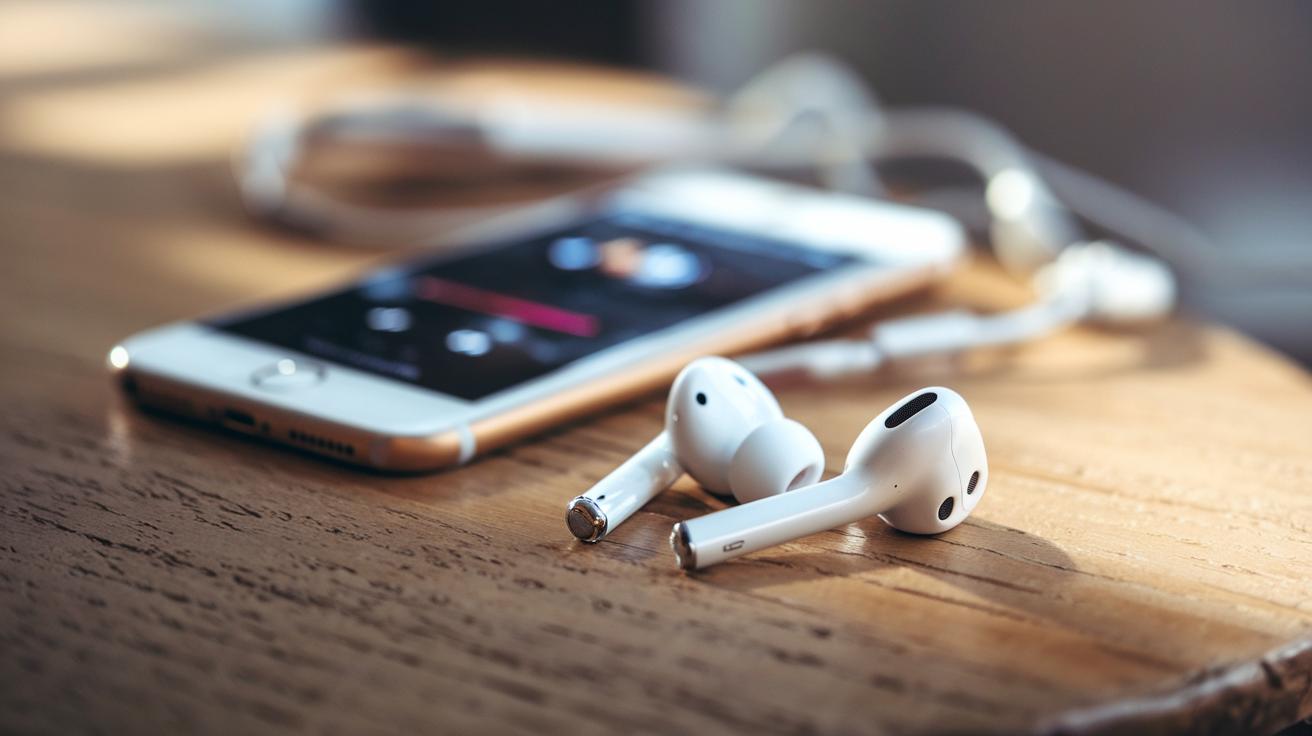
Can AirPods serve as viable substitutes for traditional hearing aids? With the increasing prevalence of wireless technology, AirPods are being explored as alternatives to conventional hearing aids, utilizing features such as Live Listen. Designed primarily to amplify sound by using an iPhone's microphone, this functionality raises questions about its effectiveness and limitations when compared to medical-grade solutions. The exploration of AirPods in this capacity emphasizes their financial appeal, yet acknowledges their inability to offer the clarity and customization inherent in approved hearing aids. Let's delve into whether AirPods provide a true solution or remain supplementary to traditional options.

AirPods as a Hearing Aid Alternative

AirPods as a Hearing Aid Alternative.jpg

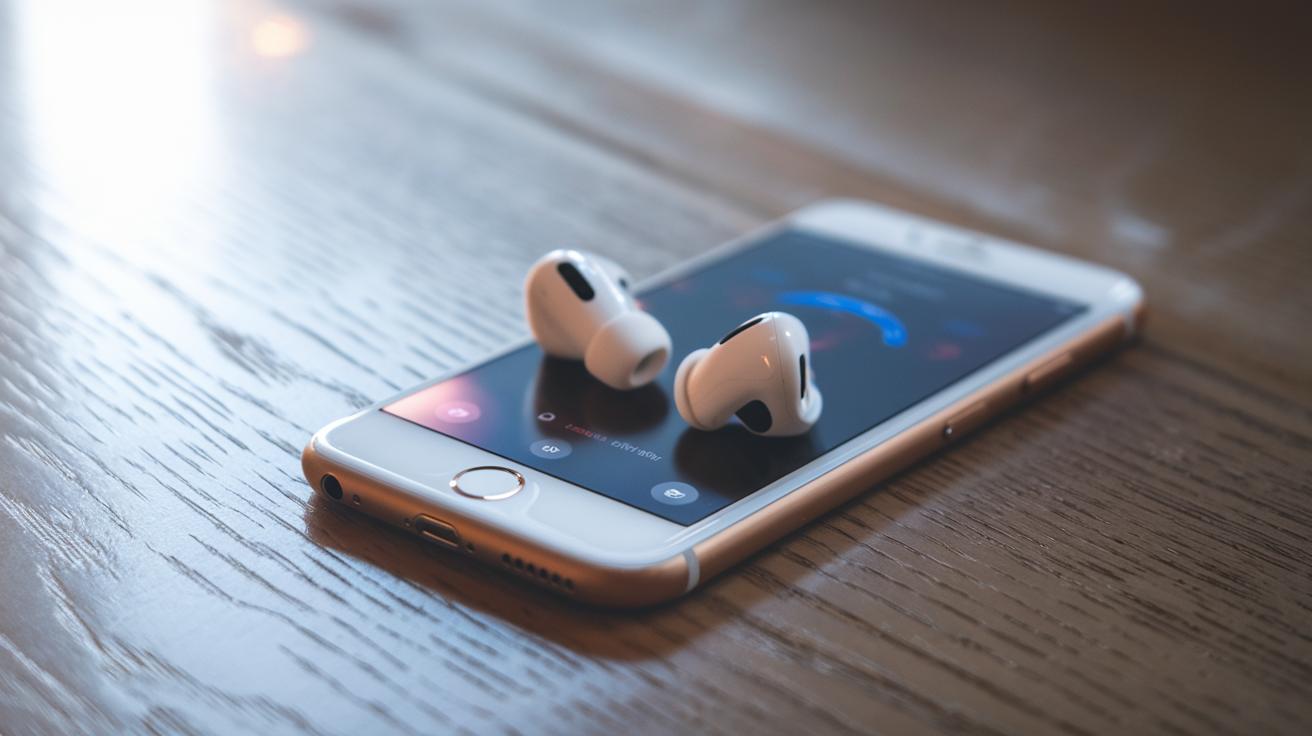
Do AirPods work as hearing aids? The short answer is no, AirPods are not designed to function as traditional hearing aids. However, they do offer a personal sound amplification solution through the Live Listen feature. Live Listen enables an iPhone's microphone to capture environmental sounds and transmit them to AirPods, thereby amplifying these sounds for the user. This feature requires an iPhone or iPad with iOS 12 or later and can be activated via the device's accessibility settings. While this setup facilitates enhanced sound perception in certain situations, it does not equate to the medically tailored solutions provided by traditional hearing aids.
In terms of cost-effectiveness, AirPods present a more budget-friendly alternative for those seeking basic hearing assistance. Priced between $129 and $249, AirPods are significantly more affordable than traditional hearing aids, which can range from hundreds to thousands of dollars. This price advantage makes AirPods an attractive option for individuals with mild hearing difficulties or for those looking to enhance sound perception in specific environments, such as noisy settings. However, cost savings must be weighed against the limitations in functionality and effectiveness compared to traditional hearing aids.
Despite their affordability, AirPods have limitations that prevent them from replacing medically approved hearing aids. Traditional hearing aids are specifically engineered to address distinct hearing loss profiles, providing customized sound amplification and clarity across various frequencies. In contrast, AirPods lack the advanced sound processing and personalization necessary for individuals with significant hearing loss. They may amplify sound but often fall short in offering the clarity and precision required for users with moderate to severe hearing impairments. Consequently, AirPods should be viewed as a supplementary tool rather than a substitute for professional hearing loss solutions.

Features and Limitations of AirPods for Hearing Enhancement

Features and Limitations of AirPods for Hearing Enhancement.jpg

Do AirPods work as hearing aids? The straightforward answer is no, AirPods are not designed to replace traditional hearing aids. They utilize the Live Listen feature, which requires pairing with an iPhone to function effectively. This feature captures sound through the iPhone's microphone and transmits it to the AirPods, enabling users to hear amplified sounds from their surroundings. However, this dependency on an iPhone is a critical limitation, as the amplification process relies on another device for sound capture.
In specific scenarios such as noisy environments, the Live Listen feature offers notable benefits by enhancing sound perception. AirPods can help users focus on particular sounds, such as conversations in a crowded room, by amplifying the desired audio while minimizing background noise. This capability makes them a practical option for users needing temporary sound amplification in social settings or for those with mild hearing difficulties. Despite these advantages, AirPods do not provide the comprehensive hearing support offered by traditional hearing aids.
The limitations of AirPods in terms of sound clarity and customization are significant when compared to traditional hearing aids. Traditional devices are engineered to address specific hearing loss conditions, offering tailored sound amplification across various frequencies. In contrast, AirPods lack the advanced sound processing capabilities needed for such personalization. Consequently, they may fail to deliver the clarity required for individuals with moderate to severe hearing impairments, underscoring their role as supplementary rather than primary hearing aids.
Here are five key features of AirPods related to hearing enhancement:

  • Live Listen Compatibility: Requires an iPhone with iOS 12 or later to enable sound amplification.
  • Sound Amplification: Enhances environmental sounds for better auditory perception.
  • Portability: Compact design allows for easy use in various environments.
  • Cost-Effectiveness: Offers a budget-friendly alternative for mild hearing assistance.
  • Battery Life: Provides several hours of usage, though frequent use of Live Listen may reduce duration.

Comparing AirPods with Traditional Hearing Aids

Comparing AirPods with Traditional Hearing Aids.jpg

When comparing AirPods to traditional hearing aids, one must consider the advanced features and customization that traditional devices offer. Traditional hearing aids are meticulously engineered to cater to specific hearing loss conditions, providing nuanced sound amplification that is tailored to individual auditory profiles. These devices employ sophisticated algorithms and adjustments, allowing users to experience clear sound across various frequencies, thereby enhancing speech understanding and auditory comfort. Such customization ensures that users receive optimal sound quality and clarity, making traditional hearing aids indispensable for individuals with significant hearing impairments.
In contrast, AirPods present a more accessible and budget-friendly option for those seeking basic hearing assistance. Priced significantly lower than traditional hearing aids, AirPods can be an attractive choice for individuals with mild hearing difficulties or those looking for temporary sound amplification solutions. While AirPods do not provide the same level of sound processing or personalization as traditional hearing aids, their affordability and ease of acquisition make them a practical choice for users without severe hearing loss. This cost-effectiveness, however, should be carefully weighed against the limitations in functionality and effectiveness when seeking comprehensive hearing support.
Consulting with an audiologist is crucial when determining the most suitable hearing solution. Professional evaluation by an audiologist provides a thorough understanding of an individual's hearing needs and conditions. This consultation can guide the decision-making process, ensuring that users receive devices that offer the necessary sound amplification and clarity essential for their specific hearing profiles. While AirPods may offer a temporary or supplemental solution, they lack the medical-grade features and personalization that traditional hearing aids provide, making professional guidance vital for achieving optimal hearing health.

Feature AirPods Traditional Hearing Aids
Sound Amplification Basic Advanced and Customized
Price Range $129-$249 Hundreds to Thousands
Customization Limited Extensive
Medical Approval No Yes
Professional Consultation Required Optional Recommended

Setting Up AirPods for Optimal Hearing Assistance

Setting Up AirPods for Optimal Hearing Assistance.jpg

AirPods require an iPhone with iOS 12 or later to utilize the Live Listen feature for hearing assistance. Live Listen is a functionality that allows the iPhone to act as a microphone, capturing ambient sounds and transmitting them to the AirPods for enhanced auditory perception. This feature is accessible through the Control Center on compatible iPhones, highlighting the necessity of having a recent iOS version. The dependency on specific iOS versions underscores a fundamental requirement for users seeking to leverage AirPods as a supplementary hearing tool.

To enable Live Listen, users must access the Control Center and activate the feature, a process that demands familiarity with the iPhone's settings. While AirPods offer some degree of sound amplification, their customization options are limited compared to traditional hearing aids. This limitation affects the ability to personalize sound settings to meet the unique auditory needs of different users. Consequently, while AirPods can provide basic hearing assistance, their functionality remains constrained by the fixed settings available through the Live Listen feature.

  • Ensure your iPhone is updated to iOS 12 or later.
  • Pair your AirPods with the iPhone.
  • Open the Control Center on the iPhone.
  • Tap on the "Hearing" icon (represented by an ear symbol).
  • Select "Live Listen" to activate the feature, enabling sound transmission to your AirPods.

User Experiences and Feedback on AirPods for Hearing

User Experiences and Feedback on AirPods for Hearing.jpg

When considering user experiences with AirPods for hearing enhancement, affordability and convenience stand out as significant positive aspects. Many users praise AirPods for their cost-effective nature compared to traditional hearing aids, offering a budget-friendly alternative for those seeking basic amplification. The wireless design of AirPods allows for easy portability and use in various settings, making them a convenient choice for individuals looking to enhance sound perception during everyday activities.

Despite these advantages, consumer reviews frequently highlight concerns about the limitations in sound quality and battery life. Users often note that while AirPods provide some level of sound amplification through the Live Listen feature, the clarity and precision needed for individuals with significant hearing loss are lacking. Additionally, the battery life of AirPods can be a limiting factor, particularly when using features like Live Listen, which can lead to faster battery depletion and reduced usability throughout the day.

  • Affordability compared to traditional hearing aids is highly appreciated.
  • Convenient wireless design enhances portability and ease of use.
  • Sound quality does not meet the needs of those with significant hearing loss.
  • Battery life concerns arise with frequent use of amplification features.
  • Some users find AirPods insufficient for comprehensive hearing support.

Final Words

Exploring the potential of AirPods as a hearing aid alternative reveals notable insights. Leveraging the Live Listen feature, AirPods offer some sound amplification but fall short of the advanced customization and clarity provided by traditional hearing aids. Their affordability makes them accessible, yet users should manage expectations regarding their efficiency for severe hearing loss. Understanding the limitations and consulting a professional is crucial. The question remains: do AirPods work as hearing aids? For certain situations, they provide a viable, albeit limited, solution for basic sound enhancement. Ultimately, accessibility and user needs dictate effectiveness.

FAQ

Q: Can AirPods serve as a hearing aid alternative?

AirPods can aid hearing through the Live Listen feature, which amplifies sound via an iPhone's microphone. While more affordable, they lack the customization and medical-grade amplification of traditional hearing aids.

Q: How does the Live Listen feature work?

Live Listen amplifies sound using an iPhone's microphone, enhancing audio for the user through AirPods. This setup requires an iPhone with iOS 12 or later to enable the feature via the Control Center.

Q: What are the limitations of AirPods for hearing enhancement?

AirPods offer limited sound processing and clarity compared to traditional hearing aids. They don't provide the customized amplification required for various hearing loss conditions, making them less effective for severe cases.

Q: How do AirPods compare to traditional hearing aids?

AirPods are more affordable but lack the advanced customization and sound processing of traditional hearing aids. Consultation with an audiologist is recommended for personalized hearing needs.

Q: What are the steps to set up AirPods for hearing assistance?

AirPods require an iPhone with iOS 12 or later. Enable Live Listen by adding it to the Control Center, then connect AirPods and activate the feature to start using it for sound amplification.

Q: What feedback do users give on AirPods for hearing?

Users commend AirPods for affordability and convenience but report limitations in sound quality and battery life. Despite some amplification, they are inadequate for significant hearing loss.

Key feedback includes:

  • Pocket-friendly option
  • Easy connectivity
  • Limited sound clarity
  • Inadequate for severe hearing loss
  • Battery life concerns

Are GLP1 Safe to Use? Exploring Their Benefits

0

Are GLP-1 receptor agonists the game-changer for diabetes management, or are the risks too steep? These medications, FDA-approved and vital for combating type 2 diabetes and obesity, perform the critical function of mimicking the body's GLP-1 hormone. They have shown promising results in regulating blood sugar levels effectively. Yet, as with any medication, questions around their safety and potential side effects arise. This article delves into the nuances of GLP-1 receptor agonists, examining their benefits, safety profiles, and the ongoing clinical research that continues to shape their use in diabetes care.

Understanding GLP-1 Receptor Agonists and Their Safety

Understanding GLP-1 Receptor Agonists and Their Safety.jpg

GLP-1 receptor agonists are integral in treating type 2 diabetes and obesity by mimicking the natural GLP-1 hormone, which plays a crucial role in glucose metabolism. These medications enhance insulin secretion from pancreatic beta cells in response to food intake, thereby improving blood sugar regulation. In obesity management, GLP-1 receptor agonists contribute to weight loss by promoting satiety and reducing appetite. Their multifaceted mechanism makes them effective in managing both conditions, offering a dual benefit that addresses the interconnected nature of diabetes and obesity. Various formulations are available, allowing for tailored treatment plans based on individual patient needs and responses.


The FDA approval of GLP-1 receptor agonists underscores their safety and efficacy in clinical practice. This approval process involves rigorous evaluation through clinical trials, ensuring these drugs meet stringent safety standards before becoming accessible to the public. FDA endorsement not only verifies the therapeutic benefits but also provides healthcare professionals with a reliable option in diabetes management and weight loss strategies. This regulatory assurance is pivotal for patient confidence and adherence, particularly amidst concerns about potential side effects and long-term safety. Understanding the significance of FDA approval helps in appreciating the meticulous research and development efforts that underpin these medications.

  • Commonly used GLP-1 receptor agonists:
  • Ozempic
  • Wegovy
  • Saxenda

Common Side Effects and Risks of GLP-1 Receptor Agonists

Common Side Effects and Risks of GLP-1 Receptor Agonists.jpg

Are GLP-1 receptor agonists safe to use? Precision: Yes, but they carry potential side effects that require monitoring. Common side effects experienced by patients using GLP-1 receptor agonists include nausea, vomiting, constipation, and diarrhea. Notably, up to 40% of users report nausea, which can significantly impact adherence to treatment protocols. These gastrointestinal disturbances, while generally not life-threatening, can lead some patients to discontinue the medication. Understanding these side effects and their prevalence is crucial for patients and healthcare providers to develop effective management strategies and maintain treatment efficacy.
Rare but severe risks associated with GLP-1 receptor agonists include pancreatitis and hypersensitivity reactions. Pancreatitis is a potentially life-threatening condition characterized by inflammation of the pancreas, necessitating immediate medical intervention. Hypersensitivity reactions can manifest as severe allergic responses, including anaphylaxis, which also require urgent care. Although these serious side effects are uncommon, the possibility underscores the importance of ongoing monitoring and communication with healthcare providers to quickly address any adverse developments. Such vigilance is essential to ensure that the benefits of treatment outweigh the risks.
To manage the side effects of GLP-1 receptor agonists, patients are advised to follow specific guidelines. For gastrointestinal symptoms like nausea and vomiting, gradual dose escalation and dietary modifications can help mitigate discomfort. Increasing dietary fiber and maintaining hydration are effective strategies for constipation. Patients experiencing mild hypersensitivity should seek immediate medical advice to adjust the treatment regimen appropriately. Continuous dialogue with healthcare providers ensures personalized management plans, maximizing the therapeutic potential of GLP-1 receptor agonists while minimizing risks.

| Side Effect | Frequency | Management |
|——————|——————|———————————–|
| Nausea | Up to 40% | Gradual dose escalation, dietary modification |
| Vomiting | Common | Adjust diet, consult healthcare provider |
| Constipation | Common | Increase fiber intake, hydrate |
| Hypersensitivity | Rare | Immediate medical consultation |
| Pancreatitis | Very rare | Urgent medical intervention |

Long-term Safety and Clinical Research on GLP-1 Receptor Agonists

Long-term Safety and Clinical Research on GLP-1 Receptor Agonists.jpg

Are GLP-1 receptor agonists safe to use? Precision: Yes, they are generally safe and effective for managing type 2 diabetes and obesity, as confirmed by numerous clinical trials. These studies consistently demonstrate the efficacy of GLP-1 receptor agonists in regulating blood sugar levels, which is crucial for diabetes management. The trials also highlight their role in promoting weight loss, offering dual benefits that address both conditions. Despite these positive outcomes, patients may experience side effects, and the long-term impact on safety remains an area of active investigation.
Ongoing research is pivotal in assessing the long-term safety of GLP-1 receptor agonists. While current data supports their use, the complexity of their effects requires detailed exploration to ensure comprehensive understanding. Researchers are particularly interested in the potential long-term impacts on metabolic health, cardiovascular risk, and other health parameters. Continuous studies are necessary to monitor these variables and provide robust evidence-based guidelines for clinicians. This ongoing research will help refine treatment protocols and enhance patient safety over extended periods.
Recent findings, such as the 2024 meta-analysis, have advanced understanding of GLP-1 receptor agonists, particularly in weight management. The meta-analysis identified CagriSema as superior in achieving significant weight loss compared to other GLP-1 receptor agonists. This discovery underscores the importance of evaluating individual formulations to optimize therapeutic outcomes. As medical research progresses, these insights will inform clinical decisions, enabling healthcare providers to tailor interventions effectively and improve patient outcomes in the long term.

Comparing GLP-1 Receptor Agonists with Alternative Treatments

Comparing GLP-1 Receptor Agonists with Alternative Treatments.jpg

Are GLP-1 receptor agonists safe to use compared to insulin and other diabetes medications? Precision: Yes, GLP-1 receptor agonists are considered safe and offer distinct advantages over traditional treatments such as insulin. They improve blood sugar control by mimicking the body's natural GLP-1 hormone, enhancing insulin secretion, and reducing glucagon release. Unlike insulin, which primarily focuses on lowering blood glucose levels, GLP-1 receptor agonists also promote satiety and assist in weight loss, addressing obesity—a common comorbidity in type 2 diabetes. This dual action makes them an attractive option for patients looking to manage both conditions simultaneously. However, consistent use and specialist guidance are crucial to maximize their benefits and minimize potential side effects.
How do lifestyle changes compare as an alternative or complementary treatment? Precision: Lifestyle changes are a foundational strategy in the management of diabetes and obesity, complementing pharmacological interventions like GLP-1 receptor agonists. They encompass dietary modifications, increased physical activity, and behavioral therapy, which can lead to substantial improvements in metabolic health. While lifestyle changes alone can be effective, combining them with GLP-1 receptor agonists often enhances treatment efficacy, providing more comprehensive management of both diabetes and obesity. This combination allows patients to achieve better blood sugar control and greater weight reduction compared to lifestyle changes alone.

  • Key advantages of GLP-1 receptor agonists over other treatment options:
  • Enhanced weight loss
  • Improved blood sugar control
  • Reduced appetite and increased satiety
  • Dual benefits for diabetes and obesity management

Expert Opinions and Patient Reviews on GLP-1 Receptor Agonists

Expert Opinions and Patient Reviews on GLP-1 Receptor Agonists.jpg

Are GLP-1 receptor agonists safe to use according to medical experts? Precision: Yes, but they should be used under specialist guidance. Experts in endocrinology and pharmacology emphasize the necessity of professional oversight when administering GLP-1 receptor agonists. These medications are highly effective for managing type 2 diabetes and aiding weight loss, but their complex interactions with the body require careful monitoring. Specialists can assess individual patient needs, adjust dosages, and manage potential side effects, ensuring that treatment is both safe and effective. This approach minimizes risks and maximizes therapeutic benefits, aligning with best practices in diabetes and obesity management.
How do patient reviews reflect the experiences with GLP-1 receptor agonists? Precision: Patients report both positive outcomes and challenges, such as side effects like "Ozempic face." Reviews from those using GLP-1 receptor agonists often highlight significant weight loss and improved blood sugar control, which contribute to overall satisfaction with the treatment. However, many patients also report experiencing side effects, including gastrointestinal issues and changes in facial appearance due to rapid weight loss, colloquially referred to as "Ozempic face." These side effects can be distressing and may impact adherence. Despite these challenges, many patients find the benefits outweigh the drawbacks, particularly when managed with appropriate medical guidance.

Final Words

Exploring the role of GLP-1 receptor agonists, their mechanism in diabetes management, and FDA approval underscores their significance in healthcare. While these medications offer vital benefits, understanding common and severe side effects is crucial for patient safety. Current research reaffirms their efficacy, yet underscores the need for ongoing studies to assess long-term safety. Comparisons with alternative treatments reveal unique advantages, enhancing blood sugar regulation and weight management. Expert insights and patient reviews further illustrate the real-world impact of GLP-1 receptor agonists. Overall, these insights confirm that GLP-1 medications are generally safe to use, marking them as a vital tool in diabetes treatment strategies.

FAQ

What are the long-term side effects of GLP-1 receptor agonists?

GLP-1 receptor agonists may cause long-term side effects, including nausea and gastrointestinal issues. Rare complications include pancreatitis and hypersensitivity reactions. Ongoing clinical trials are essential for understanding their long-term safety.

Which GLP-1 is best for weight loss?

GLP-1 receptor agonists are effective for weight loss, with some formulations designed for non-diabetic individuals, such as Wegovy and Saxenda. Medical consultation is recommended to determine the best option for individual needs.

What is the general role of GLP-1 receptor agonists?

GLP-1 receptor agonists function by mimicking the natural hormone GLP-1, aiding in blood sugar regulation and promoting weight loss. These roles make them valuable for managing type 2 diabetes and obesity conditions.

What are the common side effects of GLP-1 receptor agonists?

Common side effects include nausea, vomiting, constipation, and diarrhea, affecting patient adherence. Management strategies, like gradual dose increases, can mitigate these effects and enhance treatment compliance.

Are GLP-1 receptor agonists safe according to clinical research?

Clinical trials support the efficacy and safety of GLP-1 receptor agonists for blood sugar control. Future research is crucial for assessing their comprehensive effects, demonstrated by studies like the 2024 meta-analysis on CagriSema.

What are the main risks associated with GLP-1 receptor agonists?

Risks of GLP-1 receptor agonists include pancreatitis and severe hypersensitivity reactions. These serious but rare side effects require prompt medical monitoring and specialist consultation for appropriate risk management.

Who should not use GLP-1 receptor agonists?

Individuals with a history of medullary thyroid carcinoma or multiple endocrine neoplasia syndrome type 2 should avoid GLP-1 receptor agonists, as indicated by black box warnings detailing potential thyroid-related risks.

What does GLP-1 do to your brain?

GLP-1 receptor agonists influence the brain by regulating appetite and food intake, contributing to weight loss. This action is part of their mechanism for controlling blood sugar levels and addressing obesity.

Is Ozempic a GLP-1 receptor agonist?

Ozempic is a GLP-1 receptor agonist, approved for type 2 diabetes management. It assists in regulating blood sugar and supporting weight loss, similar to other drugs in this category like Wegovy and Saxenda.

How do GLP-1 receptor agonists compare with alternative treatments?

Compared to insulin and oral medications, GLP-1 receptor agonists offer additional benefits like weight loss and improved glycemic control. Complementary lifestyle changes further enhance treatment outcomes and patient health.

How to Treat Warts Effectively at Home

0

Could you handle a skin imperfection that has been misunderstood and mismanaged for centuries? Warts, those small and stubborn skin growths caused by the human papillomavirus (HPV), can appear anywhere on the body and prove to be more than just an aesthetic nuisance. Their persistence and unsightly nature make them a prime target for a multitude of treatment approaches. This article presents a comprehensive guide to treating warts effectively at home, leveraging accessible home remedies and scientifically-backed methods. Explore how to reclaim smooth, wart-free skin with strategies that blend traditional wisdom with modern science.

Understanding Warts and Their Causes

Understanding Warts and Their Causes.jpg

Warts are small skin growths resulting from infections by the human papillomavirus (HPV), a group of viruses with over 100 types responsible for various wart manifestations. These infections occur when the virus enters the skin through small cuts or abrasions, stimulating rapid growth of the outer layer of skin cells. HPV thrives in warm, moist environments, making the skin, mouth, genitals, and rectal areas common sites for wart development.

  • Common warts
  • Plantar warts
  • Flat warts
  • Genital warts
  • Filiform warts
    Warts can spread through direct contact with an infected person or surfaces, such as public showers or swimming pools, that have been in contact with the virus. They typically appear as small, grainy skin growths, often rough to the touch, and can vary in color from flesh-toned to brown. While warts are generally harmless, they can cause discomfort, particularly when located on pressure-bearing areas like the feet. Understanding the different types and appearances of warts assists in identification and informs appropriate treatment strategies.

Home Remedies for Treating Warts

Home Remedies for Treating Warts.jpg

Home remedies are widely favored for wart treatment due to their accessibility and minimal cost. Many individuals opt for these methods to avoid clinical interventions, utilizing common household items to address the issue. While scientific evidence varies, these remedies are popular for their anecdotal success in managing warts effectively at home.

Apple Cider Vinegar

Apple cider vinegar is often likened to salicylic acid in its ability to peel away infected skin. Users typically soak a cotton ball in vinegar and apply it directly to the wart, securing it with a bandage overnight. This process may be repeated daily until the wart diminishes. The acidic nature of the vinegar helps dissolve the wart over time, although results can vary. Users should exercise caution to avoid skin irritation.

Garlic

Garlic has demonstrated efficacy in some studies, showing potential as a natural wart treatment. Its application involves crushing a garlic clove and placing it on the wart, covering it with a bandage. Some individuals report seeing results within four weeks, possibly due to the antiviral properties present in garlic. Consistent application is necessary, and sensitivity in surrounding skin should be monitored.

Tea Tree Oil

Renowned for its antibacterial properties, tea tree oil is another home remedy for wart treatment. A few drops of tea tree oil can be applied directly to the wart several times a day, aiding in its reduction. The oil's natural compounds are believed to combat viral infections, including those caused by HPV. As with other remedies, skin reactions should be observed closely to avoid adverse effects.
The effectiveness of these home remedies for treating warts can be variable, contingent upon the individual's skin type and the wart's characteristics. While some experience rapid results, others may find that their warts persist, necessitating professional medical advice. Consistent application and patience are key to achieving the desired outcome when using home remedies.

Over-the-Counter Solutions and Professional Treatments

Over-the-Counter Solutions and Professional Treatments.jpg

Over-the-counter (OTC) wart treatments offer accessible and convenient options for addressing common skin warts. These products are available in various forms, such as gels, patches, and liquids, designed to target the wart tissue effectively. OTC solutions often incorporate active ingredients that work by exfoliating the skin, promoting the gradual removal of the wart. Frequently favored for their ease of use, these treatments are generally safe for home application, although the effectiveness can vary based on the wart's location and persistence.

Salicylic Acid

Salicylic acid is among the most prevalent components in OTC wart treatments, known for its keratolytic properties that progressively peel away infected skin layers. Users typically apply the acid directly to the wart, following the specific instructions on the product label. Regular application, often daily, is crucial for optimal results. Salicylic acid works by softening the keratin, a protein that forms part of the wart's structure, allowing the dead skin to slough off. While effective, patients should be mindful of potential irritation to surrounding healthy skin and should discontinue use if excessive irritation occurs.

Cryotherapy

Cryotherapy, a professional treatment typically administered by healthcare providers, involves the application of extreme cold to freeze warts. This method is particularly effective for stubborn warts that do not respond to OTC treatments. The process uses liquid nitrogen to destroy wart tissue by creating a blister beneath and around the wart, leading to its eventual detachment. While cryotherapy is efficient, it may require multiple sessions depending on the wart's size and depth. Patients should be aware of possible side effects, including temporary pain and skin discoloration, and discuss these with their healthcare provider.

Strongest Wart Removers

For persistent warts, stronger formulations and professional-grade treatments may be considered. These options often contain higher concentrations of active ingredients or employ advanced techniques like laser therapy. While more potent, these treatments must be used with caution due to the increased risk of side effects, such as scarring and skin irritation. It's crucial to consult with a healthcare professional to determine the most appropriate course of action, ensuring safety and efficacy.
When OTC treatments fail to produce desired results or if warts are particularly painful or widespread, seeking professional medical advice is advisable. A healthcare provider can offer tailored solutions and monitor for potential complications, ensuring a comprehensive approach to wart management.

Treating Specific Types of Warts

Treating Specific Types of Warts.jpg

Wart treatment requires tailored approaches due to the varying nature and location of different wart types. Each type of wart presents unique challenges, necessitating specific treatment strategies to address their characteristics effectively.

Plantar Warts

Plantar warts, often found on the soles of the feet, can cause significant discomfort due to pressure from walking. How can plantar warts be treated at home? For effective management, using salicylic acid-based treatments can gradually exfoliate the infected skin. Applying a duct tape occlusion therapy might also help in softening the wart, making it easier to remove. To minimize discomfort, wearing well-cushioned footwear can reduce pressure on the affected area, aiding in the healing process.

Genital Warts

How should genital warts be treated? Genital warts require medical consultation due to their location and the potential for recurrence. Over-the-counter treatments are not recommended for genital warts, as they can exacerbate symptoms or cause irritation. A healthcare professional can provide appropriate treatment options, which may include topical medications or procedures like cryotherapy. Early medical intervention is crucial to manage symptoms effectively and prevent the spread of the infection.

Flat Warts

Flat warts, characterized by their smooth and flat appearance, often occur in large numbers and spread easily. What is an effective way to treat flat warts? Treatments such as topical retinoids can be used to reduce their spread and appearance. Daily application helps to disrupt the growth of the wart tissue. Consistency in treatment and careful monitoring of skin reactions are important to prevent further spreading and achieve satisfactory results.
Accurate identification and understanding of wart types are essential for selecting the most effective treatment approach. Tailored management not only addresses the specific characteristics of each wart type but also enhances the likelihood of successful resolution, minimizing discomfort and preventing recurrence.

Prevention and Care of Warts

Prevention and Care of Warts.jpg

Preventing warts involves reducing exposure to the human papillomavirus (HPV) and minimizing direct contact with infected individuals or surfaces. How can one prevent warts? Avoid touching warts on oneself or others, refrain from sharing personal items like towels or razors, and maintain good hygiene. These actions significantly reduce the risk of wart transmission and development.

  • Keep the area clean and dry
  • Avoid picking or scratching
  • Use separate towels and personal items
  • Apply prescribed ointments regularly
  • Monitor for signs of infection or recurrence
    What lifestyle changes help prevent wart spread? Adopting habits that limit skin trauma and promote health can minimize wart recurrence. Wearing protective footwear in communal showers and pools, maintaining healthy skin through moisturizing, and boosting overall immunity with a balanced diet are beneficial. These practices not only help in preventing new warts but also support the healing of existing ones, ensuring a comprehensive approach to wart management.

Final Words

Understanding warts, their causes, and effective treatments is crucial for managing these common skin growths. From identifying types and causes, to exploring home remedies like apple cider vinegar and garlic, individuals have multiple options. Over-the-counter solutions provide additional measures, while professional treatments such as cryotherapy prove beneficial for resistant warts. Different wart types necessitate specific treatments, emphasizing the importance of accurate diagnosis. Preventative care remains essential, reducing spread and recurrence. For those seeking guidance on how to treat warts, comprehensive knowledge and appropriate measures lead to successful management and prevention.

FAQ

What is the strongest wart remover?

Salicylic acid is considered a strong wart remover, as it gradually peels layers of infected skin. Cryotherapy is another potent option for treating stubborn cases by freezing the warts.

How does salicylic acid work for warts?

Salicylic acid treats warts by softening and peeling away infected skin layers. Continued application over several weeks is often needed to achieve effective results.

How can I get rid of a wart in 24 hours?

There is no method proven to remove a wart in 24 hours. Treatments like salicylic acid or cryotherapy typically take days or weeks to be effective.

What are some home remedies for wart removal?

Home remedies include apple cider vinegar, garlic, tea tree oil, and banana peel. These remedies aim to gradually remove warts but have varying levels of effectiveness.

How effective is apple cider vinegar for wart removal?

Apple cider vinegar may peel away infected skin similar to salicylic acid, but scientific support for this remedy is limited. Results can vary among individuals.

Are oral medications available for warts?

Oral medications for warts are limited and typically reserved for difficult cases. A healthcare provider should be consulted for appropriateness and effectiveness.

What is the fastest way to treat a wart?

Cryotherapy and salicylic acid are recognized for their effectiveness. Cryotherapy is often quicker, freezing the wart in a healthcare setting.

Can I treat warts myself?

Yes, over-the-counter options like salicylic acid are available for self-treatment. Persistent warts may require professional treatment such as cryotherapy.

What kills warts permanently?

Permanent wart removal involves destroying the infected layers of skin. Options include salicylic acid, cryotherapy, or surgical procedures under medical guidance.

What is the main cause of warts?

Warts are caused by the human papillomavirus (HPV). Over 100 HPV types can lead to various warts on different body parts, including common and plantar warts.

Are GLP1 Safe to Use? Exploring Their Benefits

0

Are GLP-1 receptor agonists the game-changer for diabetes management, or are the risks too steep? These medications, FDA-approved and vital for combating type 2 diabetes and obesity, perform the critical function of mimicking the body’s GLP-1 hormone. They have shown promising results in regulating blood sugar levels effectively. Yet, as with any medication, questions around their safety and potential side effects arise. This article delves into the nuances of GLP-1 receptor agonists, examining their benefits, safety profiles, and the ongoing clinical research that continues to shape their use in diabetes care.

Understanding GLP-1 Receptor Agonists and Their Safety

GLP-1 receptor agonists are integral in treating type 2 diabetes and obesity by mimicking the natural GLP-1 hormone, which plays a crucial role in glucose metabolism. These medications enhance insulin secretion from pancreatic beta cells in response to food intake, thereby improving blood sugar regulation. In obesity management, GLP-1 receptor agonists contribute to weight loss by promoting satiety and reducing appetite. Their multifaceted mechanism makes them effective in managing both conditions, offering a dual benefit that addresses the interconnected nature of diabetes and obesity. Various formulations are available, allowing for tailored treatment plans based on individual patient needs and responses.
The FDA approval of GLP-1 receptor agonists underscores their safety and efficacy in clinical practice. This approval process involves rigorous evaluation through clinical trials, ensuring these drugs meet stringent safety standards before becoming accessible to the public. FDA endorsement not only verifies the therapeutic benefits but also provides healthcare professionals with a reliable option in diabetes management and weight loss strategies. This regulatory assurance is pivotal for patient confidence and adherence, particularly amidst concerns about potential side effects and long-term safety. Understanding the significance of FDA approval helps in appreciating the meticulous research and development efforts that underpin these medications.

  • Commonly used GLP-1 receptor agonists:
  • Ozempic
  • Wegovy
  • Saxenda

Common Side Effects and Risks of GLP-1 Receptor Agonists

Are GLP-1 receptor agonists safe to use? Precision: Yes, but they carry potential side effects that require monitoring. Common side effects experienced by patients using GLP-1 receptor agonists include nausea, vomiting, constipation, and diarrhea. Notably, up to 40% of users report nausea, which can significantly impact adherence to treatment protocols. These gastrointestinal disturbances, while generally not life-threatening, can lead some patients to discontinue the medication. Understanding these side effects and their prevalence is crucial for patients and healthcare providers to develop effective management strategies and maintain treatment efficacy.
Rare but severe risks associated with GLP-1 receptor agonists include pancreatitis and hypersensitivity reactions. Pancreatitis is a potentially life-threatening condition characterized by inflammation of the pancreas, necessitating immediate medical intervention. Hypersensitivity reactions can manifest as severe allergic responses, including anaphylaxis, which also require urgent care. Although these serious side effects are uncommon, the possibility underscores the importance of ongoing monitoring and communication with healthcare providers to quickly address any adverse developments. Such vigilance is essential to ensure that the benefits of treatment outweigh the risks.
To manage the side effects of GLP-1 receptor agonists, patients are advised to follow specific guidelines. For gastrointestinal symptoms like nausea and vomiting, gradual dose escalation and dietary modifications can help mitigate discomfort. Increasing dietary fiber and maintaining hydration are effective strategies for constipation. Patients experiencing mild hypersensitivity should seek immediate medical advice to adjust the treatment regimen appropriately. Continuous dialogue with healthcare providers ensures personalized management plans, maximizing the therapeutic potential of GLP-1 receptor agonists while minimizing risks.

| Side Effect | Frequency | Management |
|——————|——————|———————————–|
| Nausea | Up to 40% | Gradual dose escalation, dietary modification |
| Vomiting | Common | Adjust diet, consult healthcare provider |
| Constipation | Common | Increase fiber intake, hydrate |
| Hypersensitivity | Rare | Immediate medical consultation |
| Pancreatitis | Very rare | Urgent medical intervention |

Long-term Safety and Clinical Research on GLP-1 Receptor Agonists

Are GLP-1 receptor agonists safe to use? Precision: Yes, they are generally safe and effective for managing type 2 diabetes and obesity, as confirmed by numerous clinical trials. These studies consistently demonstrate the efficacy of GLP-1 receptor agonists in regulating blood sugar levels, which is crucial for diabetes management. The trials also highlight their role in promoting weight loss, offering dual benefits that address both conditions. Despite these positive outcomes, patients may experience side effects, and the long-term impact on safety remains an area of active investigation.
Ongoing research is pivotal in assessing the long-term safety of GLP-1 receptor agonists. While current data supports their use, the complexity of their effects requires detailed exploration to ensure comprehensive understanding. Researchers are particularly interested in the potential long-term impacts on metabolic health, cardiovascular risk, and other health parameters. Continuous studies are necessary to monitor these variables and provide robust evidence-based guidelines for clinicians. This ongoing research will help refine treatment protocols and enhance patient safety over extended periods.
Recent findings, such as the 2024 meta-analysis, have advanced understanding of GLP-1 receptor agonists, particularly in weight management. The meta-analysis identified CagriSema as superior in achieving significant weight loss compared to other GLP-1 receptor agonists. This discovery underscores the importance of evaluating individual formulations to optimize therapeutic outcomes. As medical research progresses, these insights will inform clinical decisions, enabling healthcare providers to tailor interventions effectively and improve patient outcomes in the long term.

Comparing GLP-1 Receptor Agonists with Alternative Treatments

Are GLP-1 receptor agonists safe to use compared to insulin and other diabetes medications? Precision: Yes, GLP-1 receptor agonists are considered safe and offer distinct advantages over traditional treatments such as insulin. They improve blood sugar control by mimicking the body’s natural GLP-1 hormone, enhancing insulin secretion, and reducing glucagon release. Unlike insulin, which primarily focuses on lowering blood glucose levels, GLP-1 receptor agonists also promote satiety and assist in weight loss, addressing obesity—a common comorbidity in type 2 diabetes. This dual action makes them an attractive option for patients looking to manage both conditions simultaneously. However, consistent use and specialist guidance are crucial to maximize their benefits and minimize potential side effects.
How do lifestyle changes compare as an alternative or complementary treatment? Precision: Lifestyle changes are a foundational strategy in the management of diabetes and obesity, complementing pharmacological interventions like GLP-1 receptor agonists. They encompass dietary modifications, increased physical activity, and behavioral therapy, which can lead to substantial improvements in metabolic health. While lifestyle changes alone can be effective, combining them with GLP-1 receptor agonists often enhances treatment efficacy, providing more comprehensive management of both diabetes and obesity. This combination allows patients to achieve better blood sugar control and greater weight reduction compared to lifestyle changes alone.

  • Key advantages of GLP-1 receptor agonists over other treatment options:
  • Enhanced weight loss
  • Improved blood sugar control
  • Reduced appetite and increased satiety
  • Dual benefits for diabetes and obesity management

Expert Opinions and Patient Reviews on GLP-1 Receptor Agonists

Are GLP-1 receptor agonists safe to use according to medical experts? Precision: Yes, but they should be used under specialist guidance. Experts in endocrinology and pharmacology emphasize the necessity of professional oversight when administering GLP-1 receptor agonists. These medications are highly effective for managing type 2 diabetes and aiding weight loss, but their complex interactions with the body require careful monitoring. Specialists can assess individual patient needs, adjust dosages, and manage potential side effects, ensuring that treatment is both safe and effective. This approach minimizes risks and maximizes therapeutic benefits, aligning with best practices in diabetes and obesity management.
How do patient reviews reflect the experiences with GLP-1 receptor agonists? Precision: Patients report both positive outcomes and challenges, such as side effects like “Ozempic face.” Reviews from those using GLP-1 receptor agonists often highlight significant weight loss and improved blood sugar control, which contribute to overall satisfaction with the treatment. However, many patients also report experiencing side effects, including gastrointestinal issues and changes in facial appearance due to rapid weight loss, colloquially referred to as “Ozempic face.” These side effects can be distressing and may impact adherence. Despite these challenges, many patients find the benefits outweigh the drawbacks, particularly when managed with appropriate medical guidance.

Final Words

Exploring the role of GLP-1 receptor agonists, their mechanism in diabetes management, and FDA approval underscores their significance in healthcare. While these medications offer vital benefits, understanding common and severe side effects is crucial for patient safety. Current research reaffirms their efficacy, yet underscores the need for ongoing studies to assess long-term safety. Comparisons with alternative treatments reveal unique advantages, enhancing blood sugar regulation and weight management. Expert insights and patient reviews further illustrate the real-world impact of GLP-1 receptor agonists. Overall, these insights confirm that GLP-1 medications are generally safe to use, marking them as a vital tool in diabetes treatment strategies.

FAQ

What are the long-term side effects of GLP-1 receptor agonists?

GLP-1 receptor agonists may cause long-term side effects, including nausea and gastrointestinal issues. Rare complications include pancreatitis and hypersensitivity reactions. Ongoing clinical trials are essential for understanding their long-term safety.

Which GLP-1 is best for weight loss?

GLP-1 receptor agonists are effective for weight loss, with some formulations designed for non-diabetic individuals, such as Wegovy and Saxenda. Medical consultation is recommended to determine the best option for individual needs.

What is the general role of GLP-1 receptor agonists?

GLP-1 receptor agonists function by mimicking the natural hormone GLP-1, aiding in blood sugar regulation and promoting weight loss. These roles make them valuable for managing type 2 diabetes and obesity conditions.

What are the common side effects of GLP-1 receptor agonists?

Common side effects include nausea, vomiting, constipation, and diarrhea, affecting patient adherence. Management strategies, like gradual dose increases, can mitigate these effects and enhance treatment compliance.

Are GLP-1 receptor agonists safe according to clinical research?

Clinical trials support the efficacy and safety of GLP-1 receptor agonists for blood sugar control. Future research is crucial for assessing their comprehensive effects, demonstrated by studies like the 2024 meta-analysis on CagriSema.

What are the main risks associated with GLP-1 receptor agonists?

Risks of GLP-1 receptor agonists include pancreatitis and severe hypersensitivity reactions. These serious but rare side effects require prompt medical monitoring and specialist consultation for appropriate risk management.

Who should not use GLP-1 receptor agonists?

Individuals with a history of medullary thyroid carcinoma or multiple endocrine neoplasia syndrome type 2 should avoid GLP-1 receptor agonists, as indicated by black box warnings detailing potential thyroid-related risks.

What does GLP-1 do to your brain?

GLP-1 receptor agonists influence the brain by regulating appetite and food intake, contributing to weight loss. This action is part of their mechanism for controlling blood sugar levels and addressing obesity.

Is Ozempic a GLP-1 receptor agonist?

Ozempic is a GLP-1 receptor agonist, approved for type 2 diabetes management. It assists in regulating blood sugar and supporting weight loss, similar to other drugs in this category like Wegovy and Saxenda.

How do GLP-1 receptor agonists compare with alternative treatments?

Compared to insulin and oral medications, GLP-1 receptor agonists offer additional benefits like weight loss and improved glycemic control. Complementary lifestyle changes further enhance treatment outcomes and patient health.

How to Treat Warts Effectively at Home

0

Could you handle a skin imperfection that has been misunderstood and mismanaged for centuries? Warts, those small and stubborn skin growths caused by the human papillomavirus (HPV), can appear anywhere on the body and prove to be more than just an aesthetic nuisance. Their persistence and unsightly nature make them a prime target for a multitude of treatment approaches. This article presents a comprehensive guide to treating warts effectively at home, leveraging accessible home remedies and scientifically-backed methods. Explore how to reclaim smooth, wart-free skin with strategies that blend traditional wisdom with modern science.

Understanding Warts and Their Causes

Warts are small skin growths resulting from infections by the human papillomavirus (HPV), a group of viruses with over 100 types responsible for various wart manifestations. These infections occur when the virus enters the skin through small cuts or abrasions, stimulating rapid growth of the outer layer of skin cells. HPV thrives in warm, moist environments, making the skin, mouth, genitals, and rectal areas common sites for wart development.

  • Common warts
  • Plantar warts
  • Flat warts
  • Genital warts
  • Filiform warts
    Warts can spread through direct contact with an infected person or surfaces, such as public showers or swimming pools, that have been in contact with the virus. They typically appear as small, grainy skin growths, often rough to the touch, and can vary in color from flesh-toned to brown. While warts are generally harmless, they can cause discomfort, particularly when located on pressure-bearing areas like the feet. Understanding the different types and appearances of warts assists in identification and informs appropriate treatment strategies.

Home Remedies for Treating Warts

Home remedies are widely favored for wart treatment due to their accessibility and minimal cost. Many individuals opt for these methods to avoid clinical interventions, utilizing common household items to address the issue. While scientific evidence varies, these remedies are popular for their anecdotal success in managing warts effectively at home.

Apple Cider Vinegar

Apple cider vinegar is often likened to salicylic acid in its ability to peel away infected skin. Users typically soak a cotton ball in vinegar and apply it directly to the wart, securing it with a bandage overnight. This process may be repeated daily until the wart diminishes. The acidic nature of the vinegar helps dissolve the wart over time, although results can vary. Users should exercise caution to avoid skin irritation.

Garlic

Garlic has demonstrated efficacy in some studies, showing potential as a natural wart treatment. Its application involves crushing a garlic clove and placing it on the wart, covering it with a bandage. Some individuals report seeing results within four weeks, possibly due to the antiviral properties present in garlic. Consistent application is necessary, and sensitivity in surrounding skin should be monitored.

Tea Tree Oil

Renowned for its antibacterial properties, tea tree oil is another home remedy for wart treatment. A few drops of tea tree oil can be applied directly to the wart several times a day, aiding in its reduction. The oil’s natural compounds are believed to combat viral infections, including those caused by HPV. As with other remedies, skin reactions should be observed closely to avoid adverse effects.
The effectiveness of these home remedies for treating warts can be variable, contingent upon the individual’s skin type and the wart’s characteristics. While some experience rapid results, others may find that their warts persist, necessitating professional medical advice. Consistent application and patience are key to achieving the desired outcome when using home remedies.

Over-the-Counter Solutions and Professional Treatments

Over-the-counter (OTC) wart treatments offer accessible and convenient options for addressing common skin warts. These products are available in various forms, such as gels, patches, and liquids, designed to target the wart tissue effectively. OTC solutions often incorporate active ingredients that work by exfoliating the skin, promoting the gradual removal of the wart. Frequently favored for their ease of use, these treatments are generally safe for home application, although the effectiveness can vary based on the wart’s location and persistence.

Salicylic Acid

Salicylic acid is among the most prevalent components in OTC wart treatments, known for its keratolytic properties that progressively peel away infected skin layers. Users typically apply the acid directly to the wart, following the specific instructions on the product label. Regular application, often daily, is crucial for optimal results. Salicylic acid works by softening the keratin, a protein that forms part of the wart’s structure, allowing the dead skin to slough off. While effective, patients should be mindful of potential irritation to surrounding healthy skin and should discontinue use if excessive irritation occurs.

Cryotherapy

Cryotherapy, a professional treatment typically administered by healthcare providers, involves the application of extreme cold to freeze warts. This method is particularly effective for stubborn warts that do not respond to OTC treatments. The process uses liquid nitrogen to destroy wart tissue by creating a blister beneath and around the wart, leading to its eventual detachment. While cryotherapy is efficient, it may require multiple sessions depending on the wart’s size and depth. Patients should be aware of possible side effects, including temporary pain and skin discoloration, and discuss these with their healthcare provider.

Strongest Wart Removers

For persistent warts, stronger formulations and professional-grade treatments may be considered. These options often contain higher concentrations of active ingredients or employ advanced techniques like laser therapy. While more potent, these treatments must be used with caution due to the increased risk of side effects, such as scarring and skin irritation. It’s crucial to consult with a healthcare professional to determine the most appropriate course of action, ensuring safety and efficacy.
When OTC treatments fail to produce desired results or if warts are particularly painful or widespread, seeking professional medical advice is advisable. A healthcare provider can offer tailored solutions and monitor for potential complications, ensuring a comprehensive approach to wart management.

Treating Specific Types of Warts

Wart treatment requires tailored approaches due to the varying nature and location of different wart types. Each type of wart presents unique challenges, necessitating specific treatment strategies to address their characteristics effectively.

Plantar Warts

Plantar warts, often found on the soles of the feet, can cause significant discomfort due to pressure from walking. How can plantar warts be treated at home? For effective management, using salicylic acid-based treatments can gradually exfoliate the infected skin. Applying a duct tape occlusion therapy might also help in softening the wart, making it easier to remove. To minimize discomfort, wearing well-cushioned footwear can reduce pressure on the affected area, aiding in the healing process.

Genital Warts

How should genital warts be treated? Genital warts require medical consultation due to their location and the potential for recurrence. Over-the-counter treatments are not recommended for genital warts, as they can exacerbate symptoms or cause irritation. A healthcare professional can provide appropriate treatment options, which may include topical medications or procedures like cryotherapy. Early medical intervention is crucial to manage symptoms effectively and prevent the spread of the infection.

Flat Warts

Flat warts, characterized by their smooth and flat appearance, often occur in large numbers and spread easily. What is an effective way to treat flat warts? Treatments such as topical retinoids can be used to reduce their spread and appearance. Daily application helps to disrupt the growth of the wart tissue. Consistency in treatment and careful monitoring of skin reactions are important to prevent further spreading and achieve satisfactory results.
Accurate identification and understanding of wart types are essential for selecting the most effective treatment approach. Tailored management not only addresses the specific characteristics of each wart type but also enhances the likelihood of successful resolution, minimizing discomfort and preventing recurrence.

Prevention and Care of Warts

Preventing warts involves reducing exposure to the human papillomavirus (HPV) and minimizing direct contact with infected individuals or surfaces. How can one prevent warts? Avoid touching warts on oneself or others, refrain from sharing personal items like towels or razors, and maintain good hygiene. These actions significantly reduce the risk of wart transmission and development.

  • Keep the area clean and dry
  • Avoid picking or scratching
  • Use separate towels and personal items
  • Apply prescribed ointments regularly
  • Monitor for signs of infection or recurrence
    What lifestyle changes help prevent wart spread? Adopting habits that limit skin trauma and promote health can minimize wart recurrence. Wearing protective footwear in communal showers and pools, maintaining healthy skin through moisturizing, and boosting overall immunity with a balanced diet are beneficial. These practices not only help in preventing new warts but also support the healing of existing ones, ensuring a comprehensive approach to wart management.

Final Words

Understanding warts, their causes, and effective treatments is crucial for managing these common skin growths. From identifying types and causes, to exploring home remedies like apple cider vinegar and garlic, individuals have multiple options. Over-the-counter solutions provide additional measures, while professional treatments such as cryotherapy prove beneficial for resistant warts. Different wart types necessitate specific treatments, emphasizing the importance of accurate diagnosis. Preventative care remains essential, reducing spread and recurrence. For those seeking guidance on how to treat warts, comprehensive knowledge and appropriate measures lead to successful management and prevention.

FAQ

What is the strongest wart remover?

Salicylic acid is considered a strong wart remover, as it gradually peels layers of infected skin. Cryotherapy is another potent option for treating stubborn cases by freezing the warts.

How does salicylic acid work for warts?

Salicylic acid treats warts by softening and peeling away infected skin layers. Continued application over several weeks is often needed to achieve effective results.

How can I get rid of a wart in 24 hours?

There is no method proven to remove a wart in 24 hours. Treatments like salicylic acid or cryotherapy typically take days or weeks to be effective.

What are some home remedies for wart removal?

Home remedies include apple cider vinegar, garlic, tea tree oil, and banana peel. These remedies aim to gradually remove warts but have varying levels of effectiveness.

How effective is apple cider vinegar for wart removal?

Apple cider vinegar may peel away infected skin similar to salicylic acid, but scientific support for this remedy is limited. Results can vary among individuals.

Are oral medications available for warts?

Oral medications for warts are limited and typically reserved for difficult cases. A healthcare provider should be consulted for appropriateness and effectiveness.

What is the fastest way to treat a wart?

Cryotherapy and salicylic acid are recognized for their effectiveness. Cryotherapy is often quicker, freezing the wart in a healthcare setting.

Can I treat warts myself?

Yes, over-the-counter options like salicylic acid are available for self-treatment. Persistent warts may require professional treatment such as cryotherapy.

What kills warts permanently?

Permanent wart removal involves destroying the infected layers of skin. Options include salicylic acid, cryotherapy, or surgical procedures under medical guidance.

What is the main cause of warts?

Warts are caused by the human papillomavirus (HPV). Over 100 HPV types can lead to various warts on different body parts, including common and plantar warts.

How to Use Hydrogen Peroxide at Home Safely

0

Is hydrogen peroxide a hidden powerhouse in your cleaning arsenal, or is it a misunderstood menace? This versatile compound, often relegated to the medicine cabinet for first aid, offers a spectrum of household applications that can revolutionize home maintenance. From disinfecting surfaces to lifting stubborn stains, hydrogen peroxide presents an eco-friendly alternative to traditional cleaning products. This article delves into its diverse uses, providing insights into safe, efficient applications within your home. Whether you're sanitizing kitchen countertops or refreshing bathroom fixtures, learn how to harness the safe potential of hydrogen peroxide in everyday tasks.

Everyday Household Uses of Hydrogen Peroxide

Hydrogen peroxide is a versatile agent commonly found in households, offering a range of cleaning and disinfecting applications. Its chemical composition allows it to serve as both an oxidizer and a bleaching agent, making it effective for various tasks. When used in a diluted concentration, such as a 3% solution, hydrogen peroxide can clean surfaces without leaving harmful residues. It is often employed in kitchens and bathrooms, where cleanliness and hygiene are paramount. The substance's ability to break down into water and oxygen not only renders it environmentally friendly but also safe for most household uses. Its antimicrobial properties make it valuable for reducing bacteria and viruses on contact surfaces, ensuring a healthier living environment.

  • Cleaning countertops
  • Disinfecting bathroom fixtures
  • Lifting fabric stains
  • Refreshing tiled surfaces
  • Sanitizing cutting boards

The bubbling action of hydrogen peroxide is particularly advantageous for lifting stains from various materials like fabrics, carpets, and upholstery. This effervescence helps to loosen and remove embedded dirt and grime without the need for abrasive chemicals, safeguarding the integrity of the items being cleaned. Beyond its stain-lifting capabilities, hydrogen peroxide is a powerful disinfectant, capable of neutralizing a wide spectrum of pathogens. By mixing it with water, users can create an effective sanitizing solution suitable for multiple surfaces. This versatility makes hydrogen peroxide a staple in household cleaning regimens, offering an efficient and economical means of maintaining cleanliness and hygiene.

Cleaning and Disinfecting with Hydrogen Peroxide

Cleaning and Disinfecting with Hydrogen Peroxide.jpg

Hydrogen peroxide serves as a natural disinfectant, renowned for its capability to eliminate bacteria, viruses, and mold on various surfaces. Its effervescent properties not only aid in breaking down grime but also make it an environmentally friendly option for household cleaning tasks. Utilizing a 3% solution, hydrogen peroxide can be safely applied to numerous areas, ensuring a hygienic environment without the use of harsh chemicals.

Disinfecting Countertops

To disinfect countertops effectively, mix equal parts of hydrogen peroxide and water in a spray bottle. Spray the solution directly onto the countertop surface, allowing it to sit for at least five minutes. This contact time enhances the antimicrobial action, ensuring thorough disinfection. Afterward, wipe the surface with a clean cloth to remove any residue. This approach not only sanitizes the counters but also helps maintain their appearance without leaving behind harmful residues.

Bathroom Cleaning

For cleaning bathroom fixtures, hydrogen peroxide can be used as a toilet cleaner and grout whitener. To clean toilets, pour a cup of hydrogen peroxide into the bowl and let it sit for approximately 15 minutes before scrubbing with a toilet brush. This method effectively removes stains and disinfects the bowl. For grout whitening, create a paste with hydrogen peroxide and baking soda. Apply the paste to the grout lines, let it sit for a few minutes, and scrub with a toothbrush before rinsing. The bubbling action helps lift dirt and brighten the grout without damaging the tiles.

Mold Removal

Hydrogen peroxide is effective in mold removal when applied as a 3% solution. Spray the solution directly onto moldy areas, allowing it to sit for at least 10 minutes to penetrate and kill mold spores. After the waiting period, scrub the area with a brush to remove any remaining mold. Finally, rinse the surface with water and dry thoroughly to prevent mold recurrence. Always ensure proper ventilation and wear protective gear during this process to minimize exposure to mold and cleaning agents.

Using Hydrogen Peroxide for Laundry

Hydrogen peroxide is a multifaceted laundry aid, offering a greener, more sustainable alternative to traditional bleach. It functions not only as a whitening agent but also excels in deodorizing, brightening, and disinfecting fabrics. Its composition allows it to break down into harmless water and oxygen, minimizing environmental impact while achieving superior cleaning results. Particularly effective on dye-stable fabrics, hydrogen peroxide can be added directly to the washing machine, enhancing the overall hygiene of the laundry process. This versatility ensures that clothes maintain their vibrancy and freshness without the risk of damage associated with harsher chemical bleaches.

For stain removal, hydrogen peroxide is unmatched in its efficacy. Its bubbling action targets and lifts stains, making it suitable for both pre-treatment and in-wash applications. When addressing stubborn stains, apply a small amount of hydrogen peroxide directly to the affected area and let it sit for a few minutes before washing. This method is particularly effective for organic stains such as blood, wine, and grass. Its gentle yet potent cleaning ability ensures that fabrics are not only free of blemishes but also protected from the weakening effects often caused by conventional stain removers.

|Laundry Use|Benefit|
|—|—|
|Whitening|Brightens whites without chlorine|
|Stain Removal|Targets and lifts tough stains|
|Deodorizing|Neutralizes unpleasant odors|
|Disinfecting|Eliminates bacteria and germs|

Personal Care and Hygiene Applications

Personal Care and Hygiene Applications.jpg

Hydrogen peroxide plays a significant role in oral hygiene due to its ability to whiten teeth and eliminate bacteria. Using a 3% solution as a mouth rinse can help reduce oral bacteria, freshen breath, and whiten discolored teeth. Swishing a diluted solution for about 30 seconds before spitting out can be effective. It's critical to avoid swallowing the solution to prevent any adverse effects.
In wound cleaning, hydrogen peroxide is commonly used to disinfect cuts and abrasions. Applying a 3% solution helps remove debris and bacteria, though it's essential to be cautious as it may damage healthy tissue and delay healing. For skin care, hydrogen peroxide can be used to lighten discolored nails and even hair. When applied carefully, it serves as a gentle bleaching agent, though it's important to limit its use to prevent skin irritation.
Beyond these uses, hydrogen peroxide is beneficial in maintaining beauty tools and personal items. Disinfecting toothbrushes with a 3% solution can kill germs and bacteria on the bristles. Similarly, beauty tools can be sanitized by wiping them with hydrogen peroxide, ensuring cleanliness and reducing the risk of skin infections. This practice not only extends the life of these tools but also supports overall hygiene.

Safe Usage and Precautions with Hydrogen Peroxide

When using hydrogen peroxide at home, it is critical to consider safety to prevent harm to skin and surfaces. Hydrogen peroxide can damage healthy skin cells if applied undiluted or used excessively. A 3% solution is generally safe for household applications, such as cleaning and disinfecting, but it should never be mixed with vinegar. This combination produces peracetic acid, a corrosive substance that can irritate skin, eyes, and respiratory organs. Therefore, understanding and adhering to recommended concentrations is essential to safeguard health and ensure the effective use of hydrogen peroxide.

  • Avoid mixing with vinegar
  • Use appropriate concentrations
  • Store away from children
  • Wear gloves for prolonged use

Safe storage and handling are also vital when using hydrogen peroxide. The solution should be kept in a cool, dark place and stored out of reach of children to prevent accidental ingestion or exposure. Wearing gloves during prolonged use can protect hands from irritation, especially when cleaning or disinfecting large areas. By following these precautions, hydrogen peroxide can be used effectively and safely in various household applications.

Final Words

Exploring how to use hydrogen peroxide at home reveals its multifaceted role as a reliable cleaning agent, effective disinfectant, and eco-friendly laundry aid. While its bubbling action lifts stains and refreshes surfaces, it also offers practical applications in personal care and hygiene. Ensuring safe use around the household maximizes its benefits while minimizing potential hazards. Armed with these insights, individuals can confidently incorporate hydrogen peroxide into their daily routines, fostering a cleaner, healthier home environment. Embracing its versatility can enhance both household maintenance and personal care practices.

FAQ

What are 50 uses for hydrogen peroxide?

Hydrogen peroxide is versatile, used for cleaning, disinfecting surfaces, laundry aids, oral hygiene, and wound cleaning. It lifts fabric stains, disinfects countertops, cleans tiles, whitens teeth, and sanitizes beauty tools.

How to use hydrogen peroxide at home for cleaning?

Mix hydrogen peroxide with water for cleaning countertops, disinfecting bathroom fixtures, and sanitizing cutting boards. Its bubbling action lifts stains from fabrics, carpets, and upholstery effectively.

How to use hydrogen peroxide at home for wounds?

Hydrogen peroxide can clean wounds using a 3% solution, but caution is advised to avoid harming healthy cells. Use sparingly and consult healthcare guidance for wound management.

Where to buy hydrogen peroxide for cleaning?

Hydrogen peroxide is widely available at pharmacies, grocery stores, and online retailers. It typically comes in 3% concentration, suitable for household cleaning and disinfecting tasks.

What is the best way to use hydrogen peroxide?

The best use involves a 3% concentration for cleaning and disinfecting surfaces, whitening laundry, and oral hygiene. It's cost-effective, eco-friendly, and safer than chemical-based alternatives for various applications.

What should you not clean with hydrogen peroxide?

Avoid using hydrogen peroxide on colored textiles that aren’t dye-stable, and don’t mix it with vinegar, as this combination produces peracetic acid, which is corrosive and unsafe for household use.

Can you apply hydrogen peroxide directly to the skin?

Direct application of hydrogen peroxide to the skin is feasible but should be restricted to a 3% solution. Avoid prolonged use to prevent irritation and damage to healthy skin cells.

What can you use hydrogen peroxide for in the house?

At home, use hydrogen peroxide for disinfecting surfaces, cleaning tiles, stain removal in fabrics, sanitizing kitchen tools, and for personal care, including teeth whitenin

Blue Origin Gets to Orbit: A Milestone Event

0

Did Blue Origin's successful orbit mark the dawn of a new era in space exploration? On January 16, 2025, the private space company accomplished a monumental feat: its New Glenn rocket achieved orbit on the first attempt with an orbital-class rocket. This event not only highlights Blue Origin's technical prowess but also signifies a transformative moment for commercial spaceflight. As burgeoning competitors in the private space industry take note, the implications of this milestone reach far beyond individual success, setting the stage for a renewed space race marked by innovation and collaboration.

Blue Origin's Historic Orbit Achievement

On January 16, 2025, Blue Origin achieved a major milestone when its New Glenn rocket successfully reached orbit. This historic event marked the first instance of a new space company in the Western world reaching orbit on its initial attempt with an orbital-class rocket. The achievement underscores Blue Origin's growing capabilities in the competitive field of commercial spaceflight. Reaching orbit not only validates the technological prowess of the company but also positions Blue Origin as a formidable player within the private space sector. This success is pivotal, as it reflects the culmination of years of development and rigorous testing, ultimately expanding the potential for innovation and exploration in space technology.

  • First Orbital Mission: Successfully reached orbit on its first attempt.
  • Engine Power: Utilizes seven BE-4 engines for propulsion.
  • Rocket Design: Features a first stage, an upper stage, and a protective nose cone.
  • Thrust-to-Weight Ratio: Estimated to be around 1.2.
  • Payload Capacity: Designed to carry significant cargo to orbit, enhancing mission versatility.

The implications of this success are profound for Blue Origin. With the New Glenn rocket's successful launch, the company is now well-positioned to expand its mission objectives and pursue more ambitious projects, including interplanetary travel and commercial space ventures. This achievement not only enhances Blue Origin's reputation but also incentivizes future collaborations and partnerships within the aerospace industry, further solidifying its role in shaping the future of space exploration.

The Technology Behind New Glenn's Success

The Technology Behind New Glenns Success.jpg

The New Glenn rocket exemplifies advanced rocket technology, featuring a meticulously designed first stage, an upper stage, and a nose cone or payload fairing. This configuration ensures both the protection of the payload during launch and the achievement of orbital insertion. Central to its propulsion system are seven BE-4 engines, offering a thrust-to-weight ratio of approximately 1.2. This propulsion system enabled the upper stage to reach a 100-mile orbit, validating the design's effectiveness and precision in achieving its mission objectives.

First Stage

The first stage of the New Glenn rocket is crucial to the launch process, tasked with providing the initial thrust required to overcome Earth's gravitational pull. It is engineered to accommodate the dynamic forces encountered during liftoff, ensuring stability and efficiency. Structurally robust, it houses the powerful BE-4 engines, which collectively propel the rocket through the initial phases of its ascent.

Upper Stage

The upper stage is pivotal in the New Glenn's journey to orbit, responsible for the final push into space. This stage successfully achieved a 100-mile orbit, showcasing its capability to sustain the precise trajectory necessary for payload deployment. It is designed to operate in the vacuum of space, utilizing advanced propulsion technology to navigate and position itself accurately for mission completion.

Engines

At the heart of the New Glenn's propulsion are its BE-4 engines. These engines are integral to the rocket's performance, delivering substantial power with a thrust-to-weight ratio that balances fuel efficiency and thrust output. The BE-4 engines' reliability and operational efficiency are significant contributors to the rocket's successful launch and orbital insertion.

  • Advanced Propulsion System: The integration of seven BE-4 engines facilitates powerful and efficient thrust.
  • Sophisticated Payload Fairing: Protects the payload from environmental conditions during launch.
  • Innovative Stage Separation Mechanism: Ensures smooth transition between stages, optimizing ascent and orbital insertion.

Challenges and Setbacks During the Launch

The launch of Blue Origin's New Glenn rocket faced several pre-launch delays, which tested the company's resolve and adaptability in executing a successful mission. The initial delay was attributed to adverse weather conditions, specifically rough waters, which necessitated the postponement of the launch until conditions were deemed safe. In addition, a prior launch attempt was canceled due to a wayward boat entering the designated safety zone, illustrating the unpredictable nature of external factors in space launch operations.

During the mission, the landing attempt of the first stage presented significant challenges. Although the rocket successfully reached orbit, the first stage's landing did not proceed as planned. There was a critical loss of telemetry and video feed during the landing sequence, indicating potential issues or failures in the recovery process. This setback serves as a reminder of the complexities involved in landing technology, especially for reusable launch vehicles that are vital for cost-effective space exploration.

Overcoming these challenges is crucial for the future trajectory of Blue Origin’s launch endeavors. Addressing these setbacks not only enhances the reliability of their launch vehicles but also solidifies their commitment to innovation and success in the competitive space industry. By learning from these experiences, Blue Origin can refine its technology and operational strategies, ultimately paving the way for more successful missions and advancements in commercial space travel.

Future Plans and Projects for Blue Origin

Future Plans and Projects for Blue Origin.jpg

Blue Origin is strategically advancing its mission objectives following the successful orbital launch of the New Glenn rocket. Immediate plans focus on completing the development of the second New Glenn rocket, with enhancements aimed at refining performance and reliability. The continuation of efforts with the New Shepard suborbital rocket is also a priority, emphasizing its reusability for microgravity research and potential space tourism applications. Investigating the recent first stage landing failure forms a critical aspect of Blue Origin's agenda to improve the robustness and reusability of its rockets, thereby reducing costs and increasing launch frequency.

Long-term Vision

Blue Origin's long-term aspirations encompass more complex missions that extend beyond Earth's orbit. The company is pursuing interplanetary travel concepts, which will necessitate advancements in propulsion technology, payload capacity, and life support systems. Space tourism remains a central ambition, with initiatives to make suborbital and orbital experiences accessible to private citizens. These goals reflect Blue Origin's commitment to expanding humanity's reach into space, fostering innovation, and contributing to the growing commercial spaceflight ecosystem.

  • Second New Glenn Rocket: Completion and launch are anticipated to enhance reliability and performance.
  • New Shepard Launch: Ongoing preparations for future missions continue, focusing on microgravity research.
  • Interplanetary Initiatives: Developing capabilities for missions beyond Earth's orbit.
  • Space Tourism Development: Progressing towards making space travel accessible to private individuals.

Impact of Blue Origin's Achievement on the Space Industry

Blue Origin's recent success in reaching orbit with the New Glenn rocket significantly bolsters its standing among key competitors in the private space sector. How does this achievement affect Blue Origin's position? It positions the company as a formidable contender, capable of executing complex orbital missions, previously dominated by established aerospace giants. This milestone demonstrates Blue Origin's technological capabilities and commitment to advancing commercial spaceflight. As the first new space company in the Western world to achieve orbit on its initial attempt, Blue Origin sets a new benchmark for innovation and reliability, compelling competitors to accelerate their advancements in rocket technology and mission execution to maintain relevance in an increasingly competitive market.

What potential collaborations and trends might emerge from this development? Blue Origin's success opens the door for collaborations across various sectors, including governmental space agencies, private enterprises, and international partners. Such partnerships could foster shared technological development, resource pooling, and strategic planning for future missions. The achievement also highlights a growing trend towards the commercialization of space, where private companies play an integral role in exploration and development. As the space race evolves, there is likely to be an increased focus on sustainability, cost reduction, and reusability, driving innovations that could transform both near-Earth and interplanetary missions. This collaborative and competitive dynamic will shape the future trajectory of space exploration, positioning Blue Origin as a pivotal player in the ongoing expansion of human activities beyond Earth.

Final Words

Blue Origin's milestone as the New Glenn rocket successfully reached orbit underscores significant progress in commercial spaceflight. Despite challenges, such as launch delays and landing difficulties, the mission ultimately proved pivotal for the company's advancement and influence.

Technical innovations, pivotal in this achievement, have been spotlighted, laying a strong foundation for future endeavors. Looking ahead, Blue Origin's plans include further development of reusable technology and more ambitious goals, including interplanetary exploration.

This accomplishment garners considerable attention for its potential to reshape the competitive landscape, positioning Blue Origin as a key influencer in future industry trends.

FAQ

Has Blue Origin ever reached orbit?

Blue Origin's New Glenn rocket successfully reached orbit on January 16, 2025, marking a major milestone as the first Western company to achieve orbit on its initial attempt with an orbital-class rocket.

How long did it take Blue Origin to get to space?

Blue Origin achieved orbit with the New Glenn rocket on its first attempt in 2025, reflecting years of development and engineering efforts leading to this historic milestone.

Does Jeff Bezos own Blue Origin?

Jeff Bezos founded Blue Origin and continues to own and lead the company, driving its mission to expand access to space and foster technological advancement in space travel.

Will New Glenn ever fly?

New Glenn successfully flew and reached orbit on January 16, 2025. Blue Origin plans further flights, leveraging this success to enhance reusable rocket technology and expand its space endeavors.

How does the New Glenn rocket compare to SpaceX's Starship?

The New Glenn rocket's entry into orbit represents a significant achievement for Blue Origin, with ongoing comparisons to SpaceX's Starship regarding performance, technological advancements, and commercial applications.

What challenges did Blue Origin face during the New Glenn launch?

The New Glenn launch faced rough waters and a wayward boat caused delays. An attempt to land its first stage was unsuccessful due to telemetry and video loss, pointing to potential improvements needed.

What are Blue Origin's future plans and projects?

Blue Origin focuses on reusability, with plans to launch another New Glenn and prepare the reusable New Shepard. Future ambitions include interplanetary travel and pivotal projects to advance commercial spaceflight.

What impact does Blue Origin's achievement have on the space industry?

Blue Origin's orbital success positions it as a formidable competitor, influencing future space projects and elevating the standards of commercial spaceflight capabilities and innovation.