


Compounding is one of the oldest parts of pharmacy: a pharmacist combining or altering ingredients to make a medication for a specific patient. It fills real gaps, such as a child who cannot swallow a tablet, a patient allergic to a dye in a commercial product, or a strength no manufacturer makes.
Under US federal law, compounded drugs come from two distinct types of facility, known by the sections of the law that govern them: 503A and 503B.
Why the law changed
In 2012, contaminated steroid injections made by the New England Compounding Center in Framingham, Massachusetts, caused a multistate outbreak of fungal meningitis and other infections. The Centers for Disease Control and Prevention counted 753 cases in 20 states and 64 deaths.
Congress responded with the Drug Quality and Security Act, signed on 27 November 2013. It clarified the rules for traditional compounding pharmacies and created a new, voluntary category of facility with federal oversight.
Section 503A: traditional compounding pharmacies
503A pharmacies are state-licensed pharmacies. According to the FDA, they compound drugs based on valid, patient-specific prescriptions. State boards of pharmacy license and inspect them, and they are exempt from certain federal requirements, including FDA approval and current good manufacturing practice rules, as long as they meet the conditions of the law.
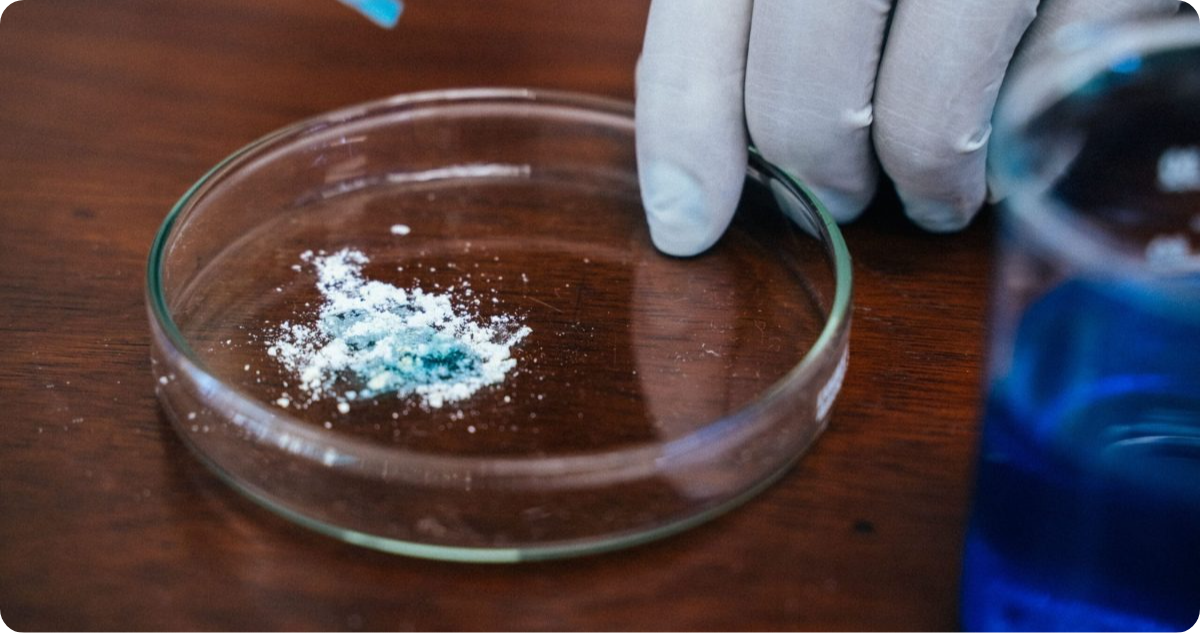
Most compounding a patient encounters through a prescription comes from a 503A pharmacy. They also follow standards set by the United States Pharmacopeia, USP, including chapter 795 for non-sterile compounding and chapter 797 for sterile compounding.
Section 503B: outsourcing facilities
503B outsourcing facilities choose to register with the FDA. They must follow current good manufacturing practice requirements, undergo FDA inspection on a risk-based schedule, report adverse events and provide the agency with information about their products. In exchange, they can compound larger batches and supply healthcare facilities, such as hospitals, without a prescription for each individual patient.
What the two have in common
Neither 503A nor 503B compounded drugs are FDA-approved. The FDA states that it does not review compounded drugs for safety, effectiveness or quality before they reach patients. That is the most important fact for any patient to understand, and it is why the facility’s standards, licences and inspection history carry so much weight.
Where telehealth fits
The growth of telehealth has sent more prescriptions to pharmacies that ship directly to patients across state lines. Most of those are 503A pharmacies, which must hold a licence in each state where they dispense.
Precision Medicine, a pharmacy based in Bellmore, New York, is one example. It describes itself as a 503A pharmacy providing sterile and non-sterile compounding, as well as commercial medications, for telehealth companies. The company says it is licensed across nearly every state and follows USP 795, 797 and 800.
Questions to ask about any compounded medication
- Is this medication compounded? You have a right to know.
- Why is a compounded version needed? A clinician should be able to explain.
- Which pharmacy prepared it, and is it licensed in my state?
- Is it a 503A pharmacy or a 503B outsourcing facility?
- How should I store it, and when does it expire?
Compounding meets needs mass manufacturing cannot. Understanding which system produced your medication helps you judge the safeguards behind it.
