


Key Takeaways
- Focus on car extended warranty planning before factory coverage ends, because modern vehicle repairs now involve software, sensors, battery management, and electronic modules instead of just old-school mechanical parts.
- Compare warranty coverage by reading the service contract line by line, especially for powertrain parts, hybrid components, diagnostics, maintenance limits, and pre-existing condition language that can decide whether a claim gets approved.
- Match an extended warranty to the vehicle you actually drive—a used family SUV, daily commuter, truck, hybrid, or EV all carry different repair risks once mileage climbs and factory protection runs out.
- Weigh real-world value, not sales language, by checking repair shop choice, claims workflow, waiting periods, and transfer rules before picking any vehicle protection plan.
- Decide whether an extended warranty is worth it by looking at out-of-pocket repair exposure for used cars, hybrids, and EVs, especially for transmission work, cooling systems, electronics, and battery-related support systems.
- Ask blunt questions early, because the best car extended warranty fit usually comes from clean contract language and repair flexibility—not flashy review pages or broad promises.
Modern vehicles don’t age the way older ones did.
Once factory coverage runs out, the conversation around car extended warranty cost changes fast—especially for hybrids, EVs, and late-model gas vehicles packed with sensors, driver-assist hardware, control modules, and battery support systems that can fail one part at a time or all at once.
From the repair bay, the pattern is plain. Owners aren’t just dealing with engines and transmissions anymore; they’re facing intermittent electrical faults, cooling system issues tied to battery performance, and diagnostic labor that starts adding up before a single part gets replaced. That’s why more drivers are rethinking what protection really means now. A service contract that looked unnecessary at 38,000 miles can feel a lot different at 68,000. And for used vehicles, that shift can come even sooner—right about the time one warning light turns into three.
Why does car extended warranty planning matter as factory coverage ends
A shop sees this pattern every week. A driver rolls in just after factory coverage ends, the dash lights are on, and the problem isn’t a worn belt or leaking gasket anymore. It’s a sensor network, a control module, or battery-support hardware tied into half the vehicle.
That shift explains why car extended warranty cost has become a planning issue before coverage lapses, not after the first big repair visit. For late-model cars, hybrid systems, and EVs, diagnosis alone can eat up time fast—and software faults can trigger parts replacement that isn’t cheap to handle out of pocket.
The repair shifts from mechanical parts to software, sensors, and battery support systems
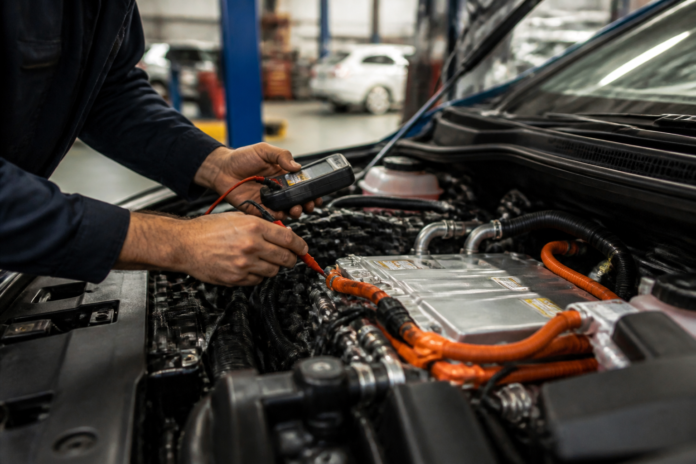
Modern vehicles pack more electronics than most owners realize (and more failure points, too). People asking price of extended car warranty are usually reacting to that change, because one failed camera, module, or cooling component can turn a routine visit into a serious bill.
Drivers also search car warranty price after seeing how hybrid battery support parts and electronic powertrain systems are repaired today—not the way they were 10 years ago.
Sounds minor. It isn’t.
Why drivers of hybrid, electric, and late-model gas vehicles are reassessing warranty decisions now
Three triggers keep showing up:
- Factory protection is ending
- Repair complexity is rising
- Household budgets have less room for surprise breakdowns
That’s why buyers research how much is car warranty before they purchase car extended warranty coverage. They’re not guessing. They’re comparing contracts, purchasing extended car warranty options, and asking why extended warranties cost less than others. For commuters and parents, an extended car warranty for families can matter just as much as the repair itself—downtime hits hard. And once a driver starts to purchase extended warranties on cars with more screens, driver-assist tech, and battery management parts, the decision gets very real, very fast.
What car extended warranty coverage usually includes for hybrid, electric, and gas vehicles
Over coffee, the plain-English version is this: coverage usually follows the parts most likely to fail as vehicles age, and that changes by powertrain. Gas models lean on engine, transmission, cooling, and fuel-system parts. Hybrid and electric models add battery-management hardware, drive motors, inverters, control modules, and more diagnostic labor. That’s where car extended warranty cost discussions get real fast.
Powertrain plans versus stated-component plans for higher-mileage vehicles
Powertrain protection is the narrow lane. It usually centers on the engine, transmission, and drive axle. For higher-mileage cars, that can make sense—but only if the owner understands what’s left out.
- Powertrain plans: major internal mechanical parts
- Stated-component plans: listed systems such as A/C, steering, brakes, electrical, and fuel delivery
Shoppers asking how much a car warranty costs should compare covered components, not just the sales pitch. In practice, that’s why extended warranties cost less than others: fewer systems, tighter terms, less electronics.
Near bumper-to-bumper protection and where electronic systems fit in
Near bumper-to-bumper coverage is broader. On late-model vehicles, electronic systems matter more than people think—touchscreens, sensors, camera modules, charging controls, and body computers can fail long before the engine does. That affects the price of an extended car warranty and the final car warranty price, especially for hybrids and EVs.
Common gaps drivers miss: wear items, maintenance, pre-existing issues, and diagnostics
Here’s what shop owners see missed all the time (and it stings later):
Worth pausing on that for a second.
- Wear items like brake pads, tires, bulbs, and wipers
- Routine maintenance and fluids
- Pre-existing issues noted before coverage starts
- Some diagnostic time is not tied to an approved repair
Before drivers purchase car extended warranty coverage—or purchase extended warranties on cars after factory protection ends—they should read the gaps first. That matters for families keeping one daily driver on the road; an extended car warranty for families only helps if the contract matches how the vehicle is actually used. That’s the real test before purchasing extended car warranty plans.
How to evaluate car extended warranty factors without focusing on sticker numbers
Real value shows up in repair risk, not sales language.
- Age and mileage matter most. A shop owner sees the same pattern every week: once a vehicle moves past basic factory protection, failure odds climb fast. In practice, the price of extended car warranty coverage tracks wear, service history, and whether the powertrain has already shown warning signs.
- Repair history beats brand reputation. People ask how much is car warranty coverage, but the better question is what the vehicle is likely to need next. A clean record with documented fluid services usually looks better than a neglected file with repeat cooling, transmission, or electronic faults.
- Hybrid and EV systems change the math. Battery controls, inverters, drive units, and thermal management add complexity—and one failed module can dwarf a year of routine maintenance. That’s why the cost of a car extended warranty should be judged against likely repair exposure, not just the monthly pitch.
Vehicle age, mileage, and repair history are the biggest pricing signals
A buyer ready to purchase car extended warranty coverage should match the contract to the vehicle’s actual condition, not hope.
Why hybrid and EV component complexity changes the coverage conversation
For hybrids and EVs, car warranty price discussions miss the point if they ignore diagnostics time, software faults, and high-voltage components (those repairs add up fast).
Repair shop access, claims workflow, and contract language that affect real-world value
Before purchasing extended warranties on cars, read the claims steps, parts approval rules, and shop choice terms. One industry point that deserves attention is why extended warranties cost less than others—restricted repair access and thinner contract language are common reasons.
That matters for an extended car warranty for families, and it matters just as much during the process of purchasing extended car warranty protection after factory coverage ends.
No shortcuts here — this step actually counts.
Is an extended car warranty worth it for used cars, hybrids, and EVs?
Usually, the risk shows up right after factory coverage ends.
That’s the moment owners stop guessing and start doing hard math. The honest answer is yes—protection can make sense fast, especially once a used vehicle carries unknown wear, more electronics, and a repair bill that lands without warning.
Used vehicle risk after factory warranty expiration
A used car can look solid on a test drive and still hide trouble. Once factory coverage ends, a buyer may purchase extended warranties on cars to reduce exposure tied to old service gaps, delayed fluid changes, or aging sensors.
In shop terms, this is where people ask about the price of an extended car warranty, not because they love contracts, but because one failure can change the ownership equation.
The out-of-pocket repair categories that hit owners hardest
Big-ticket failures tend to cluster in three areas—powertrain parts, climate control, and electronics. Hybrids and EVs add inverters, cooling components, and control modules, which is why how much is car warranty becomes a practical budget question.
- Powertrain: engine or transmission failures
- Electrical: modules, screens, sensors
- Hybrid/EV systems: battery management and drive components
That’s also why owners compare car warranty prices against one major repair, not against routine maintenance.
Sounds minor. It isn’t.
When self-funding repairs makes sense and when protection is the safer move
Self-funding works for drivers with strong cash reserves and a lower-risk vehicle. But for commuters, retirees, and anyone needing an extended car warranty for families, fixed protection often feels safer—especially if they plan to purchase an extended car warranty coverage before warning lights start.
Realistically, purchasing extended car warranty coverage fits best when the car is heavily relied on, and why extended warranties cost less than others often comes down to narrower component lists, tighter claim rules, or less repair flexibility.
How drivers can compare car extended warranty options before coverage lapses
Wondering what actually matters before a factory plan runs out? The honest answer is this: the paperwork matters more than the pitch, and a car extended warranty costs only make sense after the coverage terms are clear.
What to read in the service contract before signing anything
Start with the contract. A buyer trying to judge the price of extended car warranty plans should read the covered parts, maintenance rules, claim steps, and cancellation language before purchasing an extended car warranty.
One shop rule applies here—if the document is vague, walk away. People asking how much car warranty coverage costs often miss the fine print that decides whether a water pump, screen, or control module gets approved.
Red flags in marketing claims and review pages
Bad signs show up fast (usually on review pages). Watch for phrases that dodge specifics, review lists that rank unnamed companies with no contract samples, and claims that say every vehicle gets the same protection.
A smart comparison of car warranty prices also means asking why extended warranties cost less than others; stripped-down powertrain terms, tighter waiting periods, or weaker repair limits are common reasons.
Questions to ask about repair facility choice, waiting periods, and transfer rules
Before purchasing extended car warranty coverage, drivers should ask:
It’s a small distinction with a big impact.
- Can repairs be done at any ASE-certified shop?
- Is there a waiting period in days or miles?
- Can they purchase extended warranties on cars with high mileage?
- Does transfer help resale on a family SUV, truck, or EV?
For a daily commuter or extended car warranty for families, the right fit isn’t always the broadest plan—it’s the one that matches failure risk. In practice, hybrids and EVs need close attention to electronics, cooling, and drive-unit language.
Frequently Asked Questions
Is it worth paying for an extended car warranty?
For some drivers, yes. A car extended warranty cost makes sense if the vehicle is out of factory coverage, packed with electronics, or relied on every day for work and family use. In a repair shop, the real issue isn’t abstract value. It’s whether the owner can absorb a major repair bill without blowing up the monthly budget.
Is an extended warranty worth it on a vehicle?
That depends on the vehicle, the mileage, and how long the owner plans to keep it. A used vehicle with 70,000 miles and a spotty service history is a different risk than a newer sedan with a clean record. The honest answer is that coverage tends to make more sense as repair odds rise.
What does Dave Ramsey say about extended warranties on cars?
He’s generally against them and prefers people to self-fund repairs. That advice works if someone has a strong emergency fund set aside for auto repairs and can handle a sudden transmission, turbo, or electronics failure without debt. Plenty of drivers can’t—and that’s where a service contract starts to look less like a bad purchase and more like risk control.
How does an extended car warranty work after the factory warranty ends?
Once factory protection ends, a vehicle service contract can step in for covered repairs. Usually, the repair shop diagnoses the problem, gets approval from the provider, and completes the work after authorization. That part matters—a good contract is about clearly covered parts, a workable claims process, and the freedom to use a qualified repair facility.
Simple idea. Harder to get right than it sounds.
What does a car extended warranty usually cover?
It varies by plan. Basic coverage often focuses on the powertrain—engine, transmission, and drive components—while broader plans can include air conditioning, steering, fuel delivery, suspension, and electrical parts. Here’s what most people miss: the expensive failures after factory coverage ends are often electronic, not just mechanical.
What should buyers look for in a used car warranty?
Start with the contract language. Buyers should check what parts are named, what maintenance records are required, how claims are approved, — whether the shop can be chosen freely.
Are extended warranties better for used cars than newer cars?
Usually, yes. A newer car may still have some factory protection left, while used cars often come with unknown wear, aging seals, and electronics already entering failure years. That’s why used vehicle owners ask about car extended warranty cost so often—they’re trying to avoid inheriting somebody else’s neglected maintenance.
Can an extended warranty cover high-tech parts like screens, sensors, and modules?
Some plans do, some don’t. Modern cars carry a lot of expensive hardware—touchscreens, backup camera systems, control modules, radar sensors—and those parts fail more often than people think. One diagnostic visit can turn into a real repair order fast, especially on higher-trim vehicles.
When is the best time to buy extended coverage?
Before factory coverage runs out is usually the smart window. Waiting until the vehicle already has symptoms is risky, because active problems can be treated as pre-existing issues. Short version: buy while the car is healthy, not after the warning lights show up.
Sounds minor. It isn’t.
How can drivers tell if a vehicle service contract is actually good?
Read the sample contract, not just the sales summary. A good plan spells out covered components, claim steps, waiting periods, maintenance duties, and shop options in plain language (or close to it). If the paperwork feels slippery, that’s the answer right there.
The smart move isn’t chasing the flashiest promise. It’s matching protection to the vehicle that sits in the driveway now—its mileage, its repair history, its electronics, and how badly a breakdown would disrupt work or family routine. That matters even more for hybrids and EVs, where the big risk often isn’t a traditional engine failure but a module, sensor network, charging component, or battery support system that turns one shop visit into a serious budget hit.
That’s also why the cost of a car extended warranty should never be judged by a headline claim alone. Contract language, repair-facility choice, waiting periods, diagnostics, and transfer rules decide whether coverage feels useful when the vehicle is actually in the bay. A used vehicle owner who reads those sections closely will make a better call than someone who shops on slogans.
Before factory coverage runs out, the next step is simple: pull the service contract, compare the covered systems against the vehicle’s real weak points, and have a trusted ASE-certified repair shop flag the repairs most likely to show up in the next 24 months.
For more great reading, visit our site and explore related topics.

